
Beyond the Surface: Unpacking Structural Building Inspections
Why Structural Building Inspections Matter for Your Home’s Safety
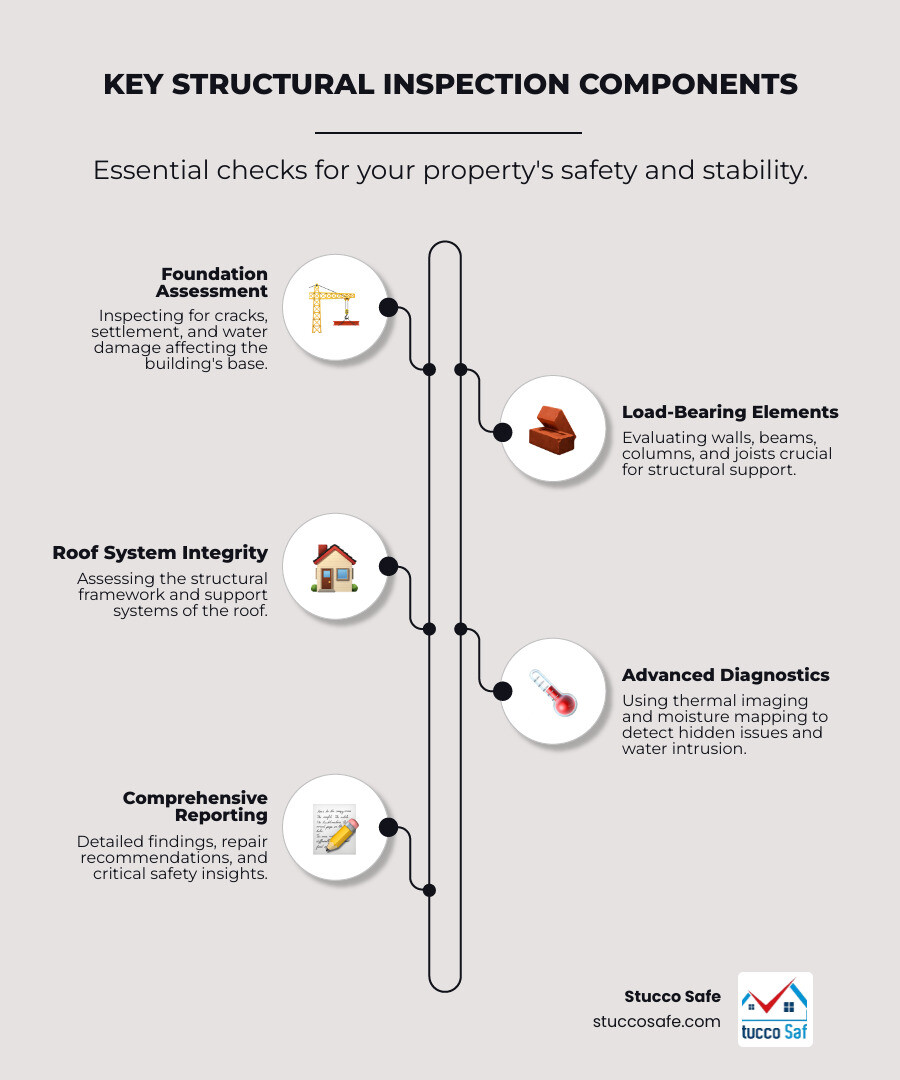
Structural building inspections are professional examinations of a property’s load-bearing components—including foundations, beams, columns, walls, and roof systems—to identify defects, assess stability, and ensure safety. Here’s what you need to know:
Key Components of Structural Building Inspections:
- Foundation Analysis – Checking for cracks, settlement, water damage, and soil conditions
- Load-Bearing Elements – Examining walls, beams, columns, trusses, and floor joists
- Roof System – Evaluating structural integrity and support systems
- Visual & Testing Methods – Combining visual assessment with moisture mapping, thermal imaging, and substrate testing
- Professional Reporting – Detailed findings with repair recommendations and safety concerns
- Typical Cost – Ranges from $300 to $800 for most homes (larger or complex structures may cost more)
- Duration – Usually takes 2 to 4 hours depending on property size
A house is often the biggest purchase most people will ever make. Yet it’s estimated that more than 90% of all stucco applications in the Northeastern United States within the past 15 to 20 years are improperly installed. That’s a staggering number when you consider what might be hiding behind those walls—moisture intrusion, mold growth, and structural damage that could cost tens of thousands of dollars to fix.
The reality is simple: what you can’t see can hurt you. A fresh coat of paint might hide serious problems. Stains on a ceiling could signal chronic roof leakage or just a one-time incident. Without professional expertise, it’s nearly impossible to know the difference.
That’s where structural building inspections become critical. Unlike a standard home inspection that focuses on mechanical systems and cosmetic issues, a structural inspection digs deeper. It evaluates the bones of your building—the foundation, framing, and load-bearing components that literally hold everything together.
The stakes are high. Undetected structural weaknesses can lead to accidents, injuries, or even building collapses. Minor issues can evolve into major problems if not addressed promptly, leading to higher repair expenses. Visible structural issues can deter potential buyers and reduce your property’s market value. And failure to maintain structural integrity may result in violations of building codes and potential legal actions.
I’m Gabe Kesslick, and I’ve been detecting and repairing structural issues—particularly related to stucco and EIFS systems—since 2001. My expertise in structural building inspections includes EDI Level 2 certification, forensic building envelope investigation, and extensive experience providing expert testimony on structural failures.
Must-know Structural building inspections terms:
Understanding Structural Building Inspections
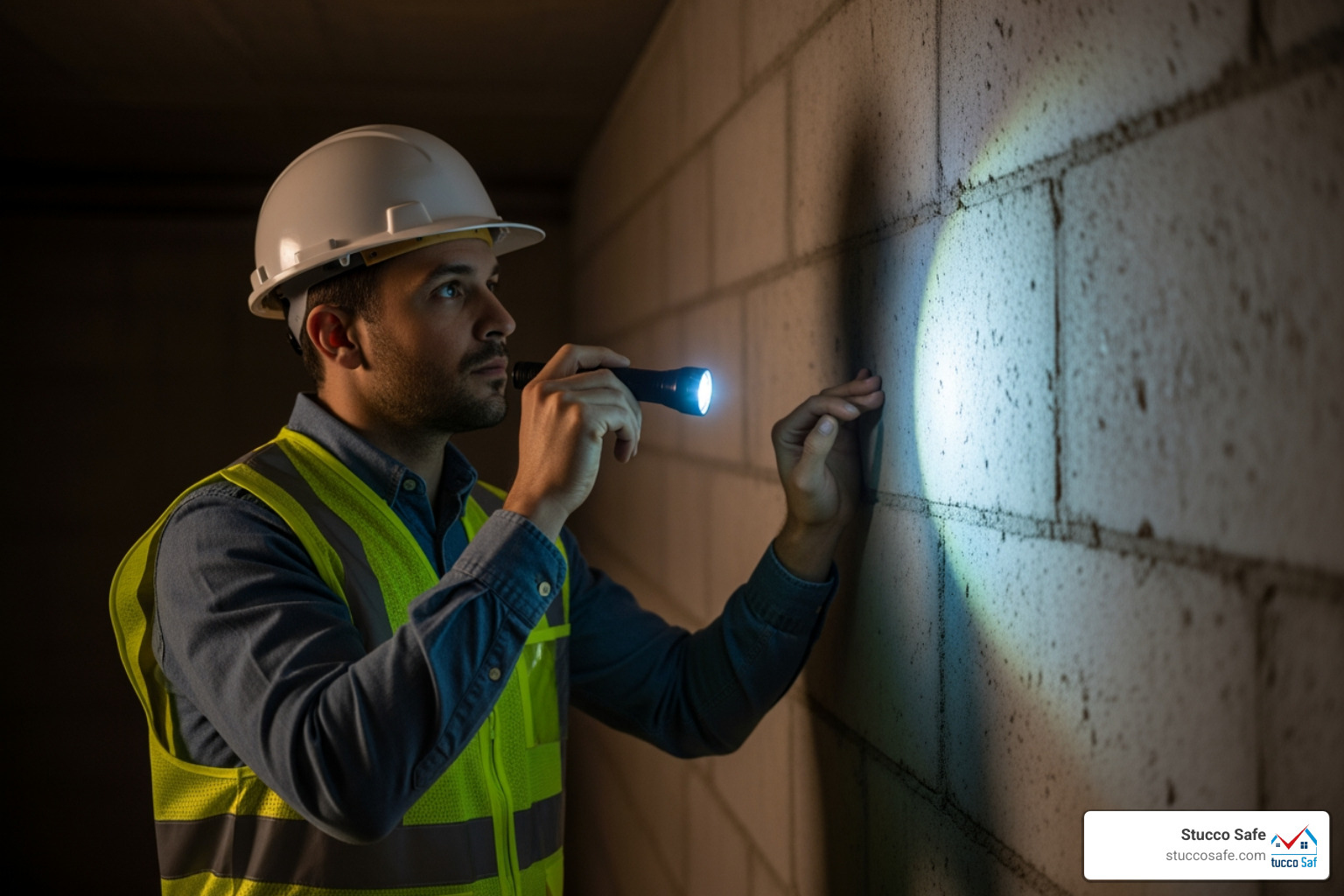
At its core, a structural building inspection is a specialized assessment conducted by a qualified professional, usually a licensed structural engineer, to evaluate the integrity and stability of a building’s primary support system. This isn’t just a quick look-around; it’s a comprehensive deep dive into the ‘bones’ of a property, scrutinizing the elements that keep it standing safely and securely.
Our goal during these inspections is to identify any existing or potential structural defects that could compromise the safety, functionality, and longevity of the building. This includes everything from subtle shifts in the foundation to significant damage in load-bearing walls or roof trusses. It’s an essential step in safeguarding your investment and, more importantly, the well-being of those who occupy the space.
For more information on the overarching principles of such assessments, you can refer to the Guide to surveys and inspections of buildings and associated structures and learn more about inspection engineering.
Defining the Scope of Structural Assessments
When we conduct a structural assessment, we carefully examine the critical components that contribute to a building’s overall stability. This typically includes:
- Foundation: The very base of your home. We look for cracks, uneven settling, water intrusion, or any signs of movement that could indicate deeper issues.
- Load-bearing Walls: These are the walls that support the weight of the floors and roof above. Cracks, bowing, or leaning can be red flags.
- Beams and Columns: These vital elements transfer loads from floors and roofs down to the foundation. We check for deflection, cracks, rot, or corrosion.
- Floor Joists and Subfloors: Sagging, unevenness, or excessive creaking can point to problems with the floor system’s structural integrity.
- Roof System: Beyond just the shingles, we evaluate the structural framing of the roof, including trusses and rafters, for damage, inadequate support, or signs of stress.
The process of a structural condition assessment often involves a systematic approach, combining visual inspection with a thorough review of available documentation. As detailed in resources like the Structural Condition Assessments of Existing Buildings and Designated Structures guidelines, this methodical evaluation ensures that all aspects of the structure’s health are considered. We aim to provide a clear picture of the structural stability, identifying weaknesses and future needs.
The Importance for Homeowners and Buyers
For both current homeowners and prospective buyers in Southeastern Pennsylvania, New Jersey, and Delaware, structural building inspections offer invaluable benefits:
- Investment Protection: A home is likely your most significant asset. Identifying and addressing structural issues early protects that investment from depreciation and costly future repairs. Minor issues can quickly escalate into major problems if left unaddressed, leading to higher expenses down the line.
- Safety Assurance: The safety of occupants is paramount. Undetected structural weaknesses can lead to dangerous conditions, including accidents, injuries, or even building collapses. Our inspections ensure the building is safe and sound for you and your family.
- Mortgage Qualification: For buyers, a clean structural report can be crucial for securing financing. Lenders often require properties to meet certain structural soundness standards.
- Negotiation Power: If structural issues are found during a pre-purchase inspection, buyers gain significant leverage to negotiate the sale price or demand repairs from the seller. For sellers, a pre-listing structural inspection can help you address issues proactively, potentially securing a better sale price and a smoother transaction. It allows you to control the repair process and avoid last-minute surprises.
We provide straightforward, honest feedback so you can make informed decisions, whether you’re buying, selling, or simply maintaining your property.
When to Schedule Structural Building Inspections
Knowing when to call for a structural building inspection can save you significant headaches, expenses, and stress. It’s not just about crisis management; it’s about proactive property maintenance and informed decision-making.
For more comprehensive insights into property assessments, explore our resources on professional property inspection.
Warning Signs of Structural Distress
Your home often communicates its structural health through various signs. Ignoring these subtle or not-so-subtle cues can be detrimental. Here are some common warning signs that indicate a need for a professional structural inspection:
| Sign of Distress | Description | Potential Implication “` The user wants me to write a comprehensive article about structural building inspections, following a detailed outline and incorporating specific research findings. I need to ensure the writing style is simple, clear, and warm, and that all questions are answered thoroughly. I also need to adhere to the given geography and company specifics.
Let’s carefully go through each section and integrate the research.
Why Structural Building Inspections Matter for Your Home’s Safety
Structural building inspections are professional examinations of a property’s load-bearing components—including foundations, beams, columns, walls, and roof systems—to identify defects, assess stability, and ensure safety. Here’s what you need to know:
Key Components of Structural Building Inspections:
- Foundation Analysis – Checking for cracks, settlement, water damage, and soil conditions
- Load-Bearing Elements – Examining walls, beams, columns, trusses, and floor joists
- Roof System – Evaluating structural integrity and support systems
- Visual & Testing Methods – Combining visual assessment with moisture mapping, thermal imaging, and substrate testing
- Professional Reporting – Detailed findings with repair recommendations and safety concerns
- Typical Cost – Ranges from $300 to $800 for most homes (larger or complex structures may cost more)
- Duration – Usually takes 2 to 4 hours depending on property size
A house is often the biggest purchase most people will ever make. Yet it’s estimated that more than 90% of all stucco applications in the Northeastern United States within the past 15 to 20 years are improperly installed. That’s a staggering number when you consider what might be hiding behind those walls—moisture intrusion, mold growth, and structural damage that could cost tens of thousands of dollars to fix.
The reality is simple: what you can’t see can hurt you. A fresh coat of paint might hide serious problems. Stains on a ceiling could signal chronic roof leakage or just a one-time incident. Without professional expertise, it’s nearly impossible to know the difference.
That’s where structural building inspections become critical. Unlike a standard home inspection that focuses on mechanical systems and cosmetic issues, a structural inspection digs deeper. It evaluates the bones of your building—the foundation, framing, and load-bearing components that literally hold everything together.
The stakes are high. Undetected structural weaknesses can lead to accidents, injuries, or even building collapses. Minor issues can evolve into major problems if not addressed promptly, leading to higher repair expenses. Visible structural issues can deter potential buyers and reduce your property’s market value. And failure to maintain structural integrity may result in violations of building codes and potential legal actions.
I’m Gabe Kesslick, and I’ve been detecting and repairing structural issues—particularly related to stucco and EIFS systems—since 2001. My expertise in structural building inspections includes EDI Level 2 certification, forensic building envelope investigation, and extensive experience providing expert testimony on structural failures.
Must-know Structural building inspections terms:
Understanding Structural Building Inspections
At its core, a structural building inspection is a specialized assessment conducted by a qualified professional, usually a licensed structural engineer, to evaluate the integrity and stability of a building’s primary support system. This isn’t just a quick look-around; it’s a comprehensive deep dive into the ‘bones’ of a property, scrutinizing the elements that keep it standing safely and securely.
Our goal during these inspections is to identify any existing or potential structural defects that could compromise the safety, functionality, and longevity of the building. This includes everything from subtle shifts in the foundation to significant damage in load-bearing walls or roof trusses. It’s an essential step in safeguarding your investment and, more importantly, the well-being of those who occupy the space.
For more information on the overarching principles of such assessments, you can refer to the Guide to surveys and inspections of buildings and associated structures and learn more about inspection engineering.
Defining the Scope of Structural Assessments
When we conduct a structural assessment, we carefully examine the critical components that contribute to a building’s overall stability. This typically includes:
- Foundation: The very base of your home. We look for cracks, uneven settling, water intrusion, or any signs of movement that could indicate deeper issues.
- Load-bearing Walls: These are the walls that support the weight of the floors and roof above. Cracks, bowing, or leaning can be red flags.
- Beams and Columns: These vital elements transfer loads from floors and roofs down to the foundation. We check for deflection, cracks, rot, or corrosion.
- Floor Joists and Subfloors: Sagging, unevenness, or excessive creaking can point to problems with the floor system’s structural integrity.
- Roof System: Beyond just the shingles, we evaluate the structural framing of the roof, including trusses and rafters, for damage, inadequate support, or signs of stress.
The process of a structural condition assessment often involves a systematic approach, combining visual inspection with a thorough review of available documentation. As detailed in resources like the Structural Condition Assessments of Existing Buildings and Designated Structures guidelines, this methodical evaluation ensures that all aspects of the structure’s health are considered. We aim to provide a clear picture of the structural stability, identifying weaknesses and future needs.
The Importance for Homeowners and Buyers
For both current homeowners and prospective buyers in Southeastern Pennsylvania, New Jersey, and Delaware, structural building inspections offer invaluable benefits:
- Investment Protection: A home is likely your most significant asset. Identifying and addressing structural issues early protects that investment from depreciation and costly future repairs. Minor issues can quickly escalate into major problems if left unaddressed, leading to higher expenses down the line.
- Safety Assurance: The safety of occupants is paramount. Undetected structural weaknesses can lead to dangerous conditions, including accidents, injuries, or even building collapses. Our inspections ensure the building is safe and sound for you and your family.
- Mortgage Qualification: For buyers, a clean structural report can be crucial for securing financing. Lenders often require properties to meet certain structural soundness standards.
- Negotiation Power: If structural issues are found during a pre-purchase inspection, buyers gain significant leverage to negotiate the sale price or demand repairs from the seller. For sellers, a pre-listing structural inspection can help you address issues proactively, potentially securing a better sale price and a smoother transaction. It allows you to control the repair process and avoid last-minute surprises.
We provide straightforward, honest feedback so you can make informed decisions, whether you’re buying, selling, or simply maintaining your property.
When to Schedule Structural Building Inspections
Knowing when to call for a structural building inspection can save you significant headaches, expenses, and stress. It’s not just about crisis management; it’s about proactive property maintenance and informed decision-making.
For more comprehensive insights into property assessments, explore our resources on professional property inspection.
Warning Signs of Structural Distress
Your home often communicates its structural health through various signs. Ignoring these subtle or not-so-subtle cues can be detrimental. Here are some common warning signs that indicate a need for a professional structural inspection:
| Sign of Distress | Description “`