
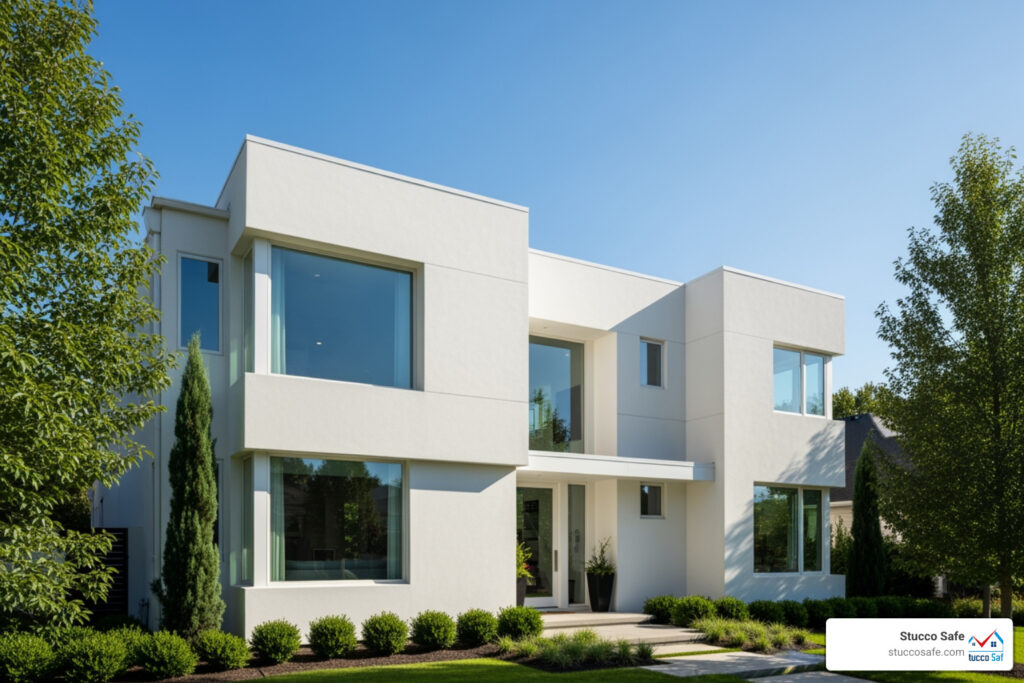
Average Cost to Stucco a Wall 2025: Smart Budgeting
What to Expect from Your Stucco Project
The average cost to stucco a wall ranges from $7 to $17 per square foot, with most homeowners spending between $14,000 and $34,000 for a typical 2,000-square-foot house. Here’s what you need to know:
| Project Type | Cost Range |
|---|---|
| Cost per square foot | $7 – $17 |
| Small project (500 sq ft) | $4,000 – $7,500 |
| Medium home (1,500 sq ft) | $10,500 – $25,500 |
| Large home (2,500 sq ft) | $17,500 – $42,500 |
| Stucco repair | $8 – $50 per sq ft |
Stucco has been a popular choice for homeowners for decades because it’s durable, fire-resistant, and offers a timeless look. But the final price tag depends on several factors you need to understand before you commit.
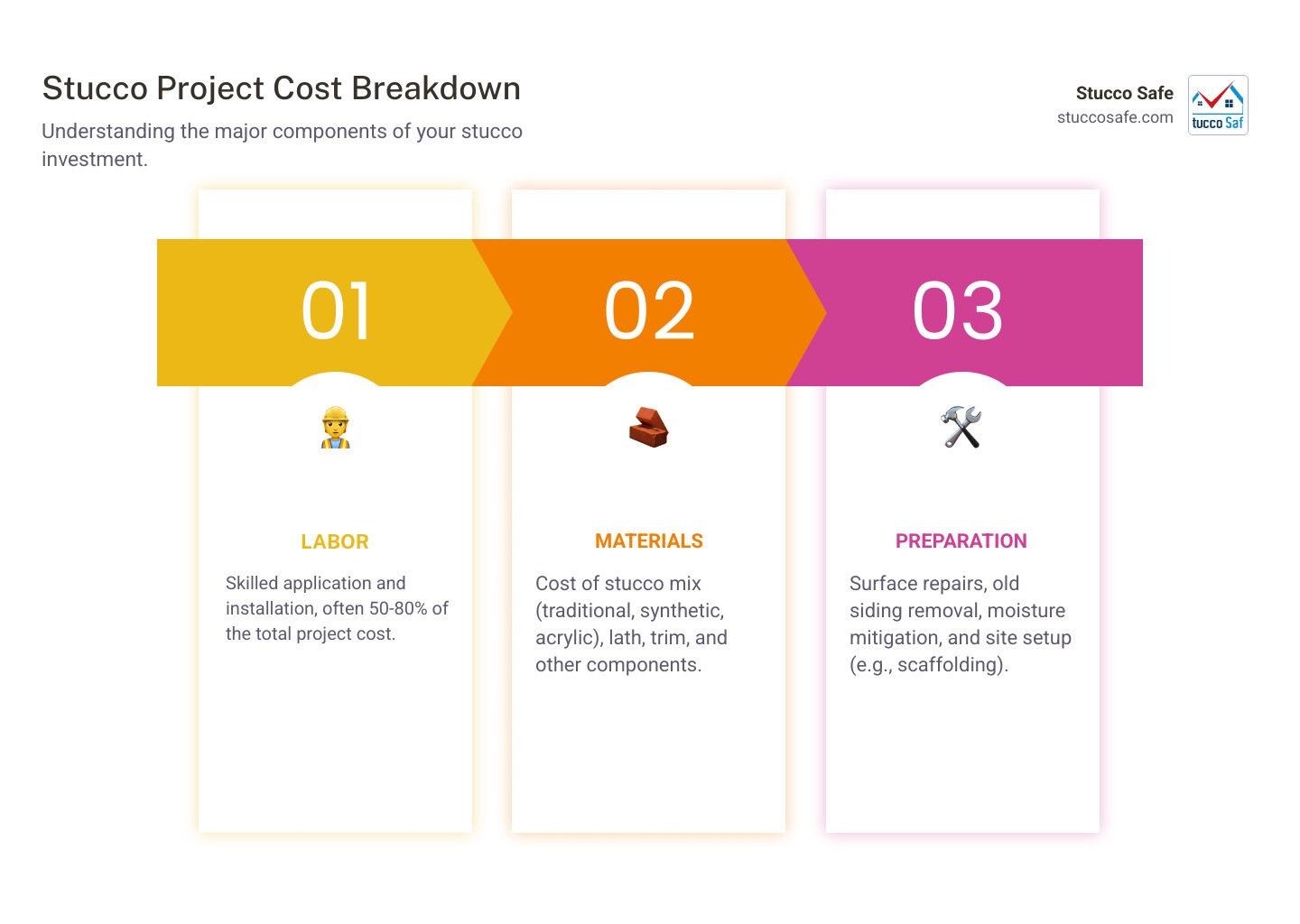
Labor typically eats up 50-80% of your total cost. That means the contractor you choose matters just as much as the materials. Then there’s the type of stucco—traditional cement, synthetic EIFS, or acrylic—each with different price points and performance characteristics.
The condition of your existing walls plays a huge role too. Are you applying stucco over wood framing, brick, or concrete? Do you need to remove old siding first? These preparation steps can add thousands to your bill.
And here’s what many homeowners miss: hidden moisture damage. If water has been quietly working its way behind your current exterior, you could be looking at extensive repairs before any new stucco goes up. This is where a professional inspection becomes invaluable.
I’m Gabe Kesslick, and I’ve been detecting and repairing leaks since 2001, with specialized training in stucco inspection and building envelope forensics. Understanding the average cost to stucco a wall means knowing not just the surface expenses, but the hidden factors that can double your budget if you’re not careful.
What is the Average Cost to Stucco a Wall?
Homeowners in Southeastern Pennsylvania, New Jersey, and Delaware often ask about the average cost to stucco a wall. Stucco’s appeal is undeniable, but the cost can vary significantly based on several factors.
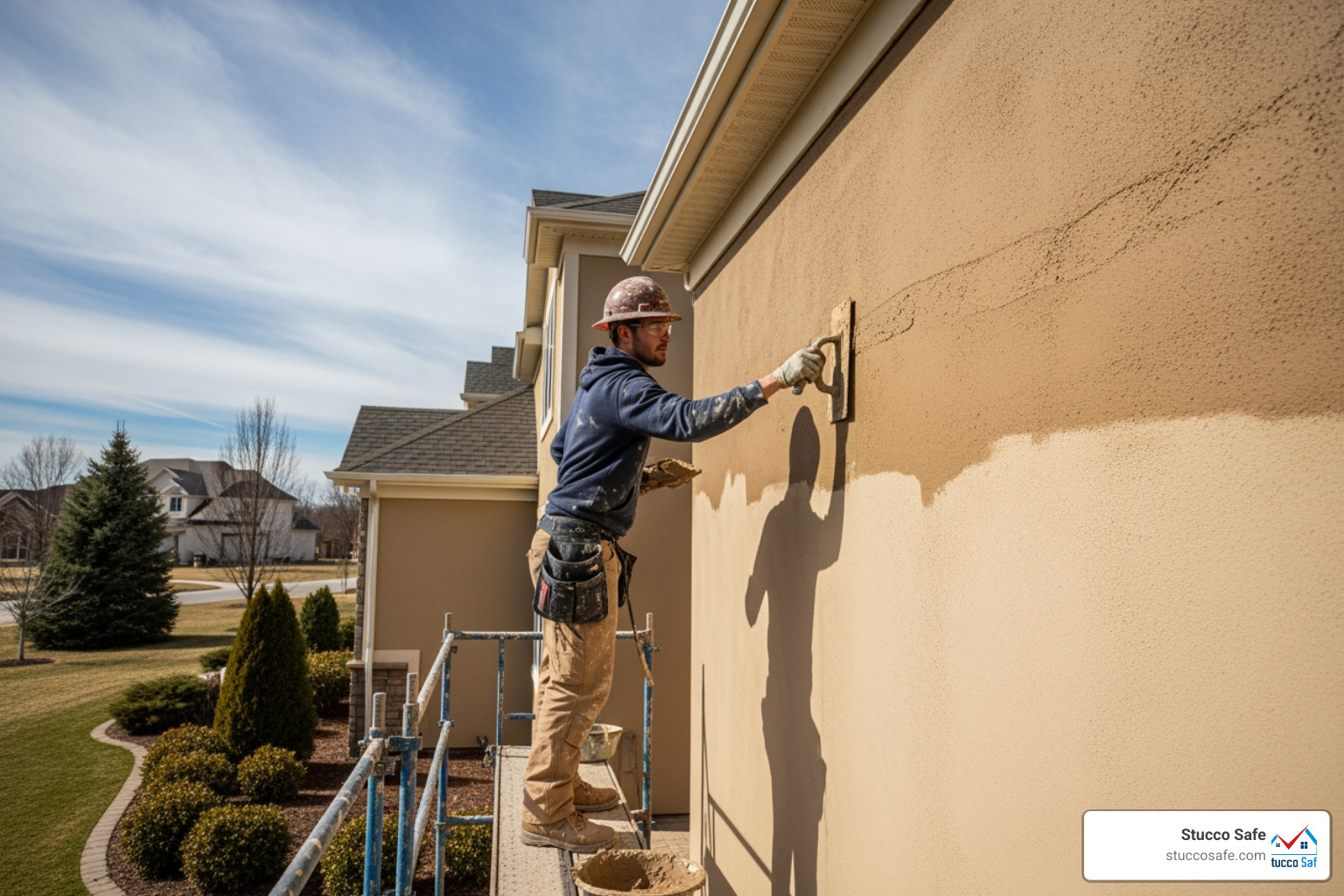
Generally, you can expect the average cost to stucco a wall to fall within a range of $7 to $17 per square foot for installation, including both materials and labor. For a typical 2,000-square-foot home, the total project cost can range from $14,000 to $34,000.
One of the biggest takeaways from our experience is that labor constitutes a significant portion of this investment, often accounting for 50% to 80% of the total project cost. This highlights the importance of hiring skilled professionals who understand the nuances of stucco application, especially given our region’s weather patterns.
Stucco isn’t just a niche product; it’s a mainstream choice. In fact, stucco was a leading siding material for new homes according to the 2023 Census Bureau, speaking to its enduring popularity and perceived value among builders and homeowners alike.
To give you a clearer picture, here’s a table illustrating the average total cost based on different home sizes:
| Home Size (Square Feet) | Average Total Stucco Cost |
|---|---|
| 1,500 sq ft | $10,500 – $25,500 |
| 2,000 sq ft | $14,000 – $34,000 |
| 2,500 sq ft | $17,500 – $42,500 |
That these figures are averages. Your specific project’s cost will depend on a detailed assessment of your home and chosen materials.
Breaking Down the Cost by Stucco Type
Not all stucco is created equal, and the type you choose will significantly impact your final bill. There are three primary types of stucco, each with its own characteristics and price point:
-
Traditional Stucco (Cement-Based): This classic, time-tested option is made from Portland cement, sand, and lime. It’s durable, fire-resistant, and the most affordable option upfront, costing between $6 and $12 per square foot. However, it’s less flexible and more prone to cracking over time due to building movement or temperature fluctuations.
-
Synthetic Stucco (EIFS – Exterior Insulation and Finish System): Developed for superior insulation and flexibility, EIFS is a multi-layered system. It’s highly energy-efficient and more crack-resistant than traditional stucco. However, EIFS requires meticulous installation to prevent moisture intrusion, which can cause significant damage. Due to its complexity and performance, it’s more expensive, ranging from $8 to $18 per square foot.
-
Acrylic Stucco: This synthetic option uses acrylic resins for improved flexibility and water resistance. It’s less prone to cracking, offers excellent color retention, and is a durable, low-maintenance choice. Costing around $9 to $15 per square foot, acrylic stucco provides a good balance of performance and aesthetics.
The choice between these types often boils down to your budget, climate considerations, and desired long-term performance. For instance, in our region, where we experience a full range of seasons, the flexibility and water resistance of synthetic or acrylic stucco can be a significant advantage, helping to prevent the moisture issues we specialize in detecting.
How Stucco Finishes Impact Your Final Bill
Beyond the type of stucco, the finish you select also plays a role in the overall average cost to stucco a wall. The complexity of achieving a particular finish directly translates to labor time and skill, thus affecting the price.
-
Textured Finishes (Dash, Sand, Lace, Rough, Pebbledash): Generally more forgiving and less labor-intensive, these finishes help hide minor imperfections. Textured finishes typically cost around $7 to $8 per square foot. Examples include:
- Sand or Float: A classic, slightly gritty texture.
- Dash: Achieved by flicking stucco onto the wall, creating small peaks.
- Lace or Skip Trowel: A pattern with overlapping, irregular depressions.
- Rough or Dragged: A more coarse, uneven appearance.
- Pebbledash: Incorporates small pebbles into the finish for a highly textured look.
-
Smooth Finishes (Santa Barbara, Swirl): A smooth stucco finish offers a sleek, modern look but requires exceptional skill and precision to achieve a flawless surface. This meticulous application demands more labor, making smooth finishes more expensive, starting at $9 per square foot and often going higher. Be prepared for a higher investment for this sophisticated aesthetic.
When budgeting, consider not just the aesthetic you desire but also the maintenance. Textured finishes can sometimes be harder to clean but better at concealing minor wear and tear, while smooth finishes, though beautiful, demand more care to maintain their pristine appearance.
Key Factors That Influence Stucco Pricing
Understanding the base cost of stucco per square foot is just the beginning. Several key factors can significantly influence the final average cost to stucco a wall for your home in Southeastern PA, New Jersey, or Delaware.

Here’s a closer look at what can affect your stucco pricing:
- Project Scope & Size: The larger the area to be stuccoed, the higher the overall cost. However, smaller, complex walls with numerous corners or architectural details can cost more per square foot than a large, flat wall because they require more intricate work.
- Wall Condition: The existing condition of your walls is paramount. If your current siding is damaged or has underlying moisture issues, these problems must be addressed before new stucco can be applied to prevent catastrophic failures.
- Accessibility & Complexity: Multi-story homes, steep inclines, or areas with limited access will necessitate scaffolding, adding to labor costs. Intricate architectural details, dormers, or numerous windows also increase complexity, as each opening requires careful flashing and detailing.
- Geographic Location: Stucco pricing can vary based on local market conditions. Costs in urban centers like Philadelphia might differ from more suburban areas in Chester County, PA. Local demand and contractor availability also affect pricing.
- Labor Rates: As mentioned, labor is a huge component of stucco costs. Rates for skilled, licensed contractors are higher but crucial for proper installation and avoiding future problems.
The Cost of Preparation and Removal
Before any new stucco can be applied, preparation work is almost always necessary. This often includes assessing the existing surface condition and, if needed, removing old siding.
If there’s significant damage, such as rot or mold, these repairs must be completed first. This can add substantial costs but is a non-negotiable step to ensure the integrity of your new stucco system.
The type of surface you’re applying stucco over also matters:
- Applying over wood substrates: This typically requires installing a metal lath (a mesh material) before the stucco layers are applied, which adds to material and labor costs.
- Applying over masonry surfaces (brick, concrete block): If these surfaces are clean and sound, stucco can often be applied directly with a bonding agent. This can make the process less expensive, potentially falling in the $3 to $6 per square foot range for the stucco application itself.
If you have existing siding that needs to go, you’ll also need to factor in stucco removal cost. This can range from $1 to $4 per square foot, depending on the type of siding and disposal fees. Removing old stucco, in particular, can be quite labor-intensive and may require specialized contractors.
Hidden Costs and Additional Expenses
When budgeting for your stucco project, several additional expenses can impact the total average cost to stucco a wall. Being aware of these upfront can save you from unwelcome surprises:
- Permits: Most municipalities require permits for siding work, ensuring compliance with local building codes. Fees typically range from $100 to $500.
- Scaffolding: For any multi-story home, scaffolding is essential for worker safety and efficient application, adding to project costs.
- Trim Work: Detailed work around windows and doors is more labor-intensive. Foam trim, for instance, can add $3 to $7 per linear foot.
- Exterior Painting: While stucco can be colored integrally, many homeowners choose to paint it. This can cost an additional $1 to $4 per square foot. New stucco needs 30 to 90 days to cure before painting.
- The critical cost of un-diagnosed moisture damage: This is the most significant “hidden” cost. If your existing exterior has unaddressed moisture intrusion, applying new stucco over it will trap moisture, leading to rot, mold, and structural compromise. The cost of repairing extensive moisture damage can be tens of thousands of dollars, sometimes even reaching $200,000 or more in severe cases.
This is precisely why we at Stucco Safe exist. Our professional stucco inspections use forensic testing methods to identify underlying moisture and structural issues before you commit to costly repairs. By pinpointing problems early, we help you prevent future financial headaches. Stucco inspections vary in cost from $495 to $1595 or more for very large homes, a small investment that can save you a fortune.
Stucco Repair, ROI, and Long-Term Value
Even the most durable materials sometimes need a little TLC. If you already have stucco, understanding the costs associated with its repair and maintenance is crucial.
The decision between stucco repair vs. replacement depends heavily on the extent and nature of the damage.
- When to repair: Minor issues like hairline cracks, small chips, or localized staining can often be repaired. If the underlying structure is sound and moisture intrusion isn’t widespread, patching might be sufficient. Promptly addressing small problems prevents them from escalating.
- When to replace: If more than 25% to 50% of your stucco is damaged, or if there’s extensive water intrusion, widespread mold, rot, or significant structural cracks, then full replacement is likely necessary. Merely patching over severe problems will only provide a temporary fix.
Estimating the Average Cost to Stucco a Wall for Repairs
Repair costs, like installation costs, can vary widely based on severity and location.
-
Minor Repairs (hairline cracks, small patches): For simple fixes like sealing hairline cracks or patching small holes, you might expect to pay between $8 and $50 per square foot, or an average of $300 to $1,500 per job. These costs reflect the labor involved in preparing the area and matching textures and colors.
-
Major Repairs (water damage, large sections): This is where costs can skyrocket. If there’s significant water damage or mold behind the stucco, the repair becomes much more involved. It often requires removing large sections of stucco, repairing damaged sheathing and framing, and then re-applying new stucco. Such extensive repairs can easily exceed $50 per square foot and could reach $12,000 to $16,000 or more for a large area. If the damage is too widespread, full replacement becomes the more sensible long-term solution.
Is Stucco a Good Investment? ROI and Long-Term Benefits
Despite the upfront costs, many homeowners find that stucco is an excellent investment, offering significant long-term benefits and a solid return on investment.
- Return on Investment (ROI): On average, installing new stucco siding can provide a respectable 70% return on investment (ROI). This means that if you spend $10,000 on stucco, your home’s value could increase by approximately $7,000.
- Increased Curb Appeal: Stucco provides a clean, luxurious finish that significantly improves a home’s curb appeal.
- Long-Term Value: One of stucco’s most compelling advantages is its incredible longevity. Properly installed and maintained stucco can last 50 years or longer, with some systems enduring for up to 100 years.
- Durability: Stucco is a robust material that stands up well to impact and harsh weather.
- Fire Resistance: Stucco is naturally fire-resistant, offering an added layer of protection.
- Low Maintenance: Stucco typically requires less frequent upkeep than many other siding options. Regular cleaning and promptly sealing hairline cracks are usually sufficient.
- Energy Efficiency: Especially with synthetic stucco (EIFS), the integrated insulation can improve your home’s energy efficiency, leading to lower utility bills.
Here’s a quick look at the pros and cons of stucco:
- Stucco Pros:
- Exceptional Durability and Longevity (50-100 years)
- High Fire Resistance
- Excellent Energy Efficiency (especially EIFS)
- Resistant to Insects and Pests
- Low Maintenance Requirements
- Superior Sound Dampening Qualities
- Versatile Aesthetic with a Wide Range of Finishes and Colors
- Increases Home Value and Curb Appeal
- Stucco Cons:
- Higher Upfront Installation Cost Compared to Some Materials
- Traditional Stucco Can Be Prone to Cracking
- Requires Highly Skilled and Specialized Installation
- Vulnerable to Moisture Intrusion if Improperly Installed or Maintained
- Repairs Can Be Complex and Costly if Underlying Issues Exist
Frequently Asked Questions about Stucco Costs
We often get asked specific questions about the practicalities and costs of stucco. Here are some of the most common ones:
Is it cheaper to DIY a stucco wall?
The allure of saving money by tackling a project yourself is strong, but when it comes to stucco, we strongly advise caution. While you might save $2,000 to $3,000 on labor costs (or about $3.30 to $5.50 per square foot if you factor in the labor savings), the risks often outweigh the rewards.
Stucco application is an art and a science, requiring specialized skills, proper mixing ratios, precise application techniques, and adequate drying times for each layer. Without this expertise, you face a high risk of costly mistakes, including:
- Improper water sealing: This is the most critical issue. If stucco is not correctly flashed, weep screeds are omitted, or moisture barriers are compromised, water can become trapped behind the stucco. This leads to rot, mold, and structural damage that can be incredibly expensive to remediate.
- Cracking and delamination: Incorrect mixing or application can lead to premature cracking, chipping, or the stucco detaching from the wall.
- Poor aesthetics: Achieving a consistent texture and smooth finish requires significant practice. A DIY job might look uneven or unprofessional.
Unless you have extensive experience specifically with stucco siding, it’s best to hire a professional for anything beyond a very small patch. The potential for costly errors, especially moisture-related ones, makes professional installation a worthwhile investment.
Is stucco cheaper than brick or vinyl siding?
When comparing upfront costs, stucco is generally more expensive than basic vinyl siding but can be comparable to or even cheaper than high-end fiber cement or natural brick.
- Vinyl Siding: This is typically the most budget-friendly option, costing around $3.16 to $6.13 per square foot installed.
- Stucco Siding: As we’ve discussed, stucco ranges from $7 to $17 per square foot installed.
- Brick Siding: Brick can be more expensive, often ranging from $8 to $18 per square foot or more.
So, for sheer upfront cost, vinyl wins. However, the comparison changes dramatically when you consider long-term value:
- Stucco’s lifespan: A remarkable 50 to 100 years.
- Vinyl’s lifespan: Typically 20 to 40 years.
While vinyl might be cheaper initially, you’ll likely replace it two or three times before your stucco even needs major attention. This longevity, coupled with stucco’s durability and low maintenance, often makes it a more cost-effective choice in the long run. If you plan to stay in your home in Southeastern PA, New Jersey, or Delaware for decades, stucco can offer a better overall return.
When is the best time of year to install stucco?
Timing can subtly influence your stucco project’s cost and success. The ideal conditions for stucco installation are mild, dry weather, which typically means spring and fall.
- Spring and Fall: These seasons offer moderate temperatures and less extreme weather, allowing the stucco to cure properly without drying too quickly (which can lead to cracks) or too slowly. These are often premium times for contractors, so pricing might be at its standard rate.
- Off-Season Discounts: You might find better deals or faster scheduling during the late fall or winter months when contractors have less demand. However, this comes with weather risks.
- Avoid Freezing Temperatures and Heavy Rain: Stucco requires specific curing conditions. Freezing temperatures can prevent the stucco from bonding properly, leading to structural weaknesses. Heavy rain during application or curing can wash away the fresh stucco or introduce excessive moisture, compromising its integrity. If working in colder months, contractors might need to implement protective measures, like heated enclosures, which can add to the cost.
For homeowners in our service areas, planning your stucco project during the drier, milder months of spring or fall is generally recommended to ensure optimal curing and long-term performance.
Conclusion: Budgeting for a Successful Stucco Project
Starting on a stucco project for your home in Southeastern Pennsylvania, New Jersey, or Delaware is a significant investment that promises improved curb appeal, durability, and long-term value. As we’ve explored, the average cost to stucco a wall is not a single, fixed number but rather a range influenced by a multitude of factors—from the type of stucco and finish you choose to the complexity of your home’s architecture and the condition of its existing walls.
Understanding that this cost is a range, not a precise figure, is your first step toward effective budgeting. Remember the critical variables: the square footage of your exterior walls, the specific stucco system (traditional, synthetic, or acrylic), the desired texture, the labor rates in your specific location, and any necessary preparation work like old siding removal or underlying repairs.
Prioritizing quality installation is paramount. While it might be tempting to opt for the lowest bid, cutting corners on stucco application can lead to costly moisture intrusion, structural damage, and premature failure down the line. Investing in experienced, certified professionals ensures that your stucco is applied correctly, adheres to building codes, and provides the decades of performance it’s known for.
Our best advice is always to get multiple, detailed quotes from reputable stucco contractors. Compare not just the bottom line, but the breakdown of costs, the proposed materials, the scope of work, and the contractor’s experience and warranty.
To truly understand the condition of your stucco and avoid hidden repair costs that can derail your budget, we encourage you to learn more about the cost of a professional stucco inspection. A small investment in a forensic inspection can save you from significant financial headaches and ensure your stucco project, whether new installation or repair, is a wise and lasting one.