
Detect Mold In Your House: Top 5 Vital Signs
Why Early Mold Detection Protects Your Home and Health
To detect mold in your house, start with your senses and common problem areas:
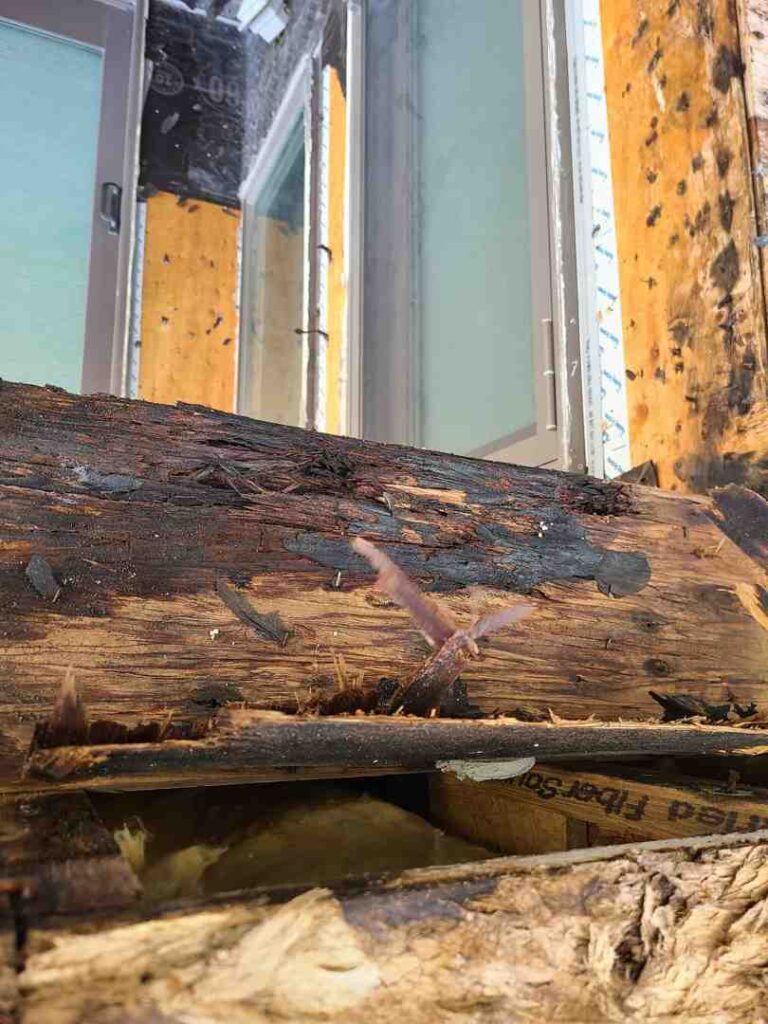
- Look for visible growth (black, green, white, or orange spots), dark stains, peeling wallpaper, or warped walls
- Smell for persistent musty, damp, or earthy odors, especially in bathrooms, basements, and around HVAC vents
- Check high-moisture areas like showers, under sinks, crawl spaces, and around windows
- Notice health symptoms like stuffy nose, coughing, wheezing, or worsening allergies when at home
- Act quickly if you find mold covering more than 10 square feet or suspect hidden growth—call a certified professional
Mold is a fungus that reproduces through microscopic, airborne spores. While beneficial outdoors, it has no place inside your home.
Mold thrives in damp, warm conditions on materials like wood, drywall, and carpet, often growing within 24 to 48 hours of moisture exposure. Left unchecked, it can damage your home’s structure and trigger health problems ranging from allergies to respiratory infections.
For homeowners in Southeastern Pennsylvania and surrounding areas, the risk is particularly high. Older homes, stucco exteriors with hidden moisture issues, and humid basements create perfect environments for mold growth. Many homeowners don’t realize they have a problem until they smell a musty odor or see dark spots on their walls.
Early detection is your best defense. The sooner you identify mold, the easier and less expensive it is to address. While small patches are manageable, mold hiding behind walls, under flooring, or in an HVAC system requires professional expertise—especially when exterior issues like stucco damage are the root cause.
I’m Gabe Kesslick, a specialist in moisture detection and building envelope inspections since 2001. Helping homeowners detect mold in your house and identify hidden moisture has shown me how critical early intervention is to preventing costly damage and protecting your family’s health.
Uncovering the Telltale Signs of a Mold Problem
This section will cover the common indicators that you may have a mold issue, from what you can see and smell to how you might feel.
Visual and Structural Clues
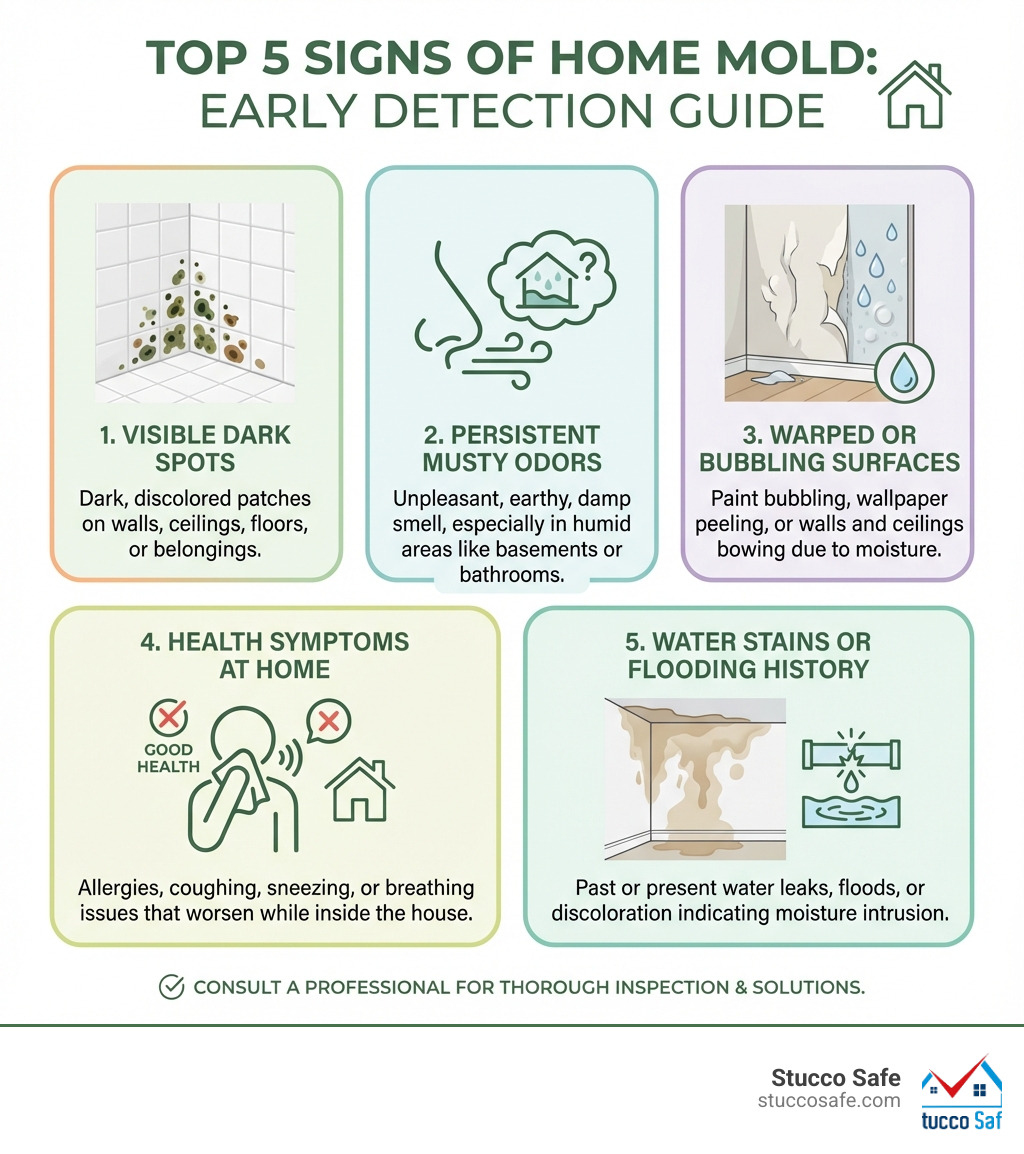
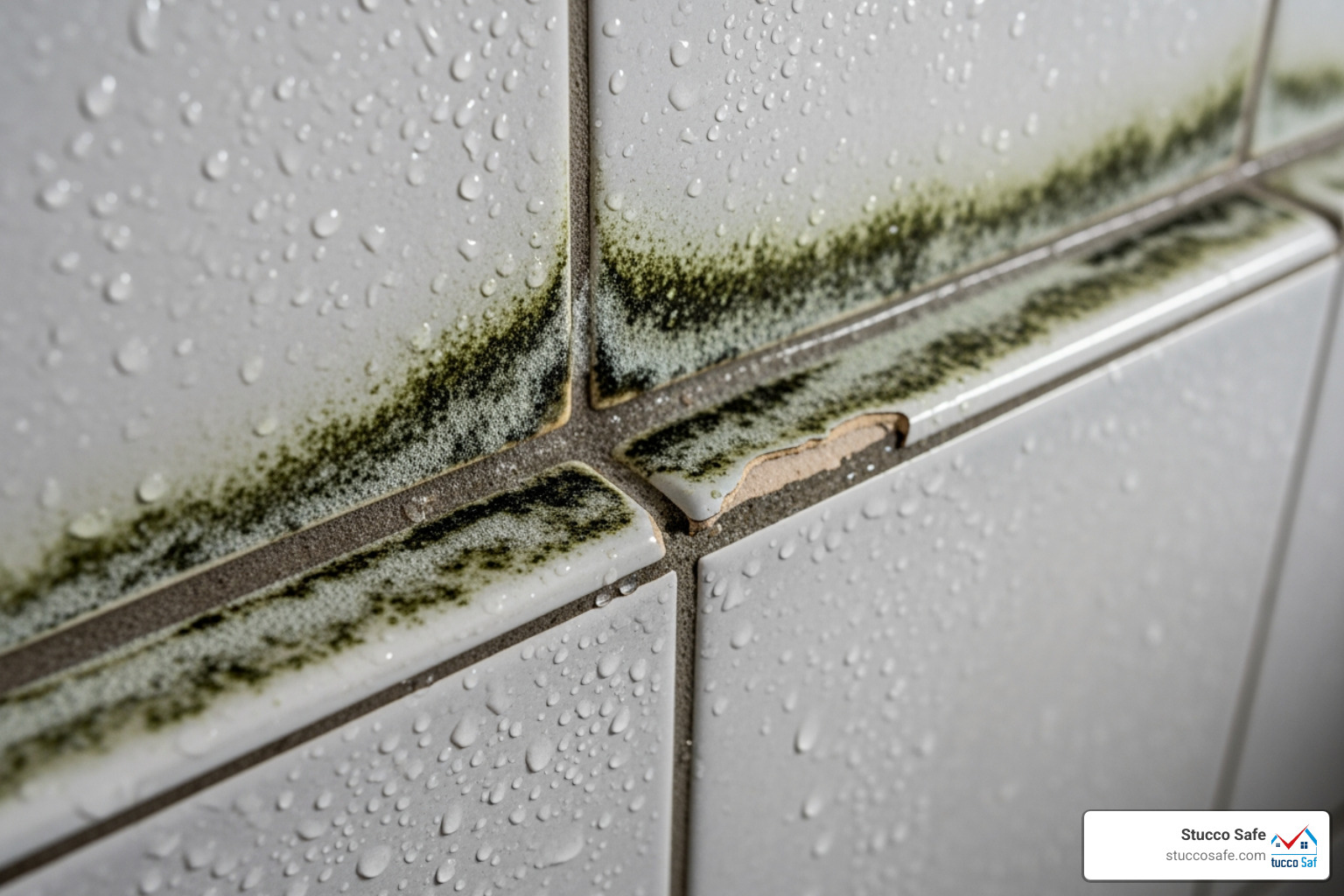
A straightforward way to detect mold in your house is to look for it. Mold appears in many colors, including black, green, white, and orange, often as dark spots or stains. Its presence can also signal deeper moisture problems that cause structural damage. Keep an eye out for:
- Peeling wallpaper: Moisture behind wallpaper creates a breeding ground for mold.
- Warped or bubbling walls: These are strong indicators of moisture and potential hidden mold behind drywall.
- Stains on stucco: Be vigilant for stucco water stains, which often indicate moisture intrusion that can lead to hidden mold and stucco wood rot.
- Damaged building materials: Mold feeds on materials like paper, wood, drywall, and fabric. Discoloration or deterioration on these surfaces can indicate mold.
Since mold can burrow beneath surfaces, any of these visual clues warrant further investigation.
Musty Odors and Strange Smells
Sometimes mold hides where it’s out of sight. In these cases, your nose is the best detection tool. A persistent musty, damp, or earthy smell is a classic sign of mold, even if you can’t see it. As research from the University at Buffalo highlights, “A persistent musty odor without obvious spots or stains may point to hidden growth behind walls, under flooring, or in other concealed areas.”
This odor comes from microbial volatile organic compounds (MVOCs) released by mold. A musty smell from your HVAC system or dark spots on its filter can mean contamination. Since mold is a top cause of indoor air quality issues, any unexplained musty smell should be taken seriously.
Health Symptoms and Allergic Reactions
Mold exposure can also impact your health, triggering allergic reactions or worsening respiratory conditions. Symptoms that improve when you leave home are a major red flag.
Common health symptoms associated with mold exposure include:
- Persistent allergy-like symptoms: A stuffy or runny nose, itchy eyes, coughing, or wheezing that worsens at home.
- Skin irritation: Rashes or an itching sensation on the skin.
- Worsening asthma: Exacerbated asthma symptoms are a common reaction for those with the condition.
The Institute of Medicine (IOM) links indoor mold to upper respiratory symptoms. More severe reactions, like lung infections, can occur in immune-compromised individuals, young children, and the elderly. If your family experiences these unexplained symptoms, it’s a strong signal that you need to detect mold in your house.
Where Mold Hides: Common Hotspots in Your Home
This section identifies the most frequent locations for mold growth, driven by moisture and ideal temperatures.
High-Moisture Areas
Mold requires moisture, so it’s most common in damp, humid areas. It thrives in high humidity and temperatures between 77°F and 86°F. Excess water in your home is a direct invitation for mold growth.
We routinely find mold in these high-moisture hotspots:
- Bathrooms: Check around showers, tubs, sinks, and toilets.
- Basements and Crawl Spaces: These damp, poorly ventilated areas are ideal for mold. A home inspection basement moisture check is often recommended.
- Kitchens: Look around sinks, under cabinets, and behind appliances.
- Laundry Rooms: Check around washing machines, utility sinks, and dryer vents.
- HVAC Systems: A musty smell when the system kicks on is a red flag.
Hidden and Overlooked Spaces
Problematic mold infestations are often hidden, growing silently in unexpected places.
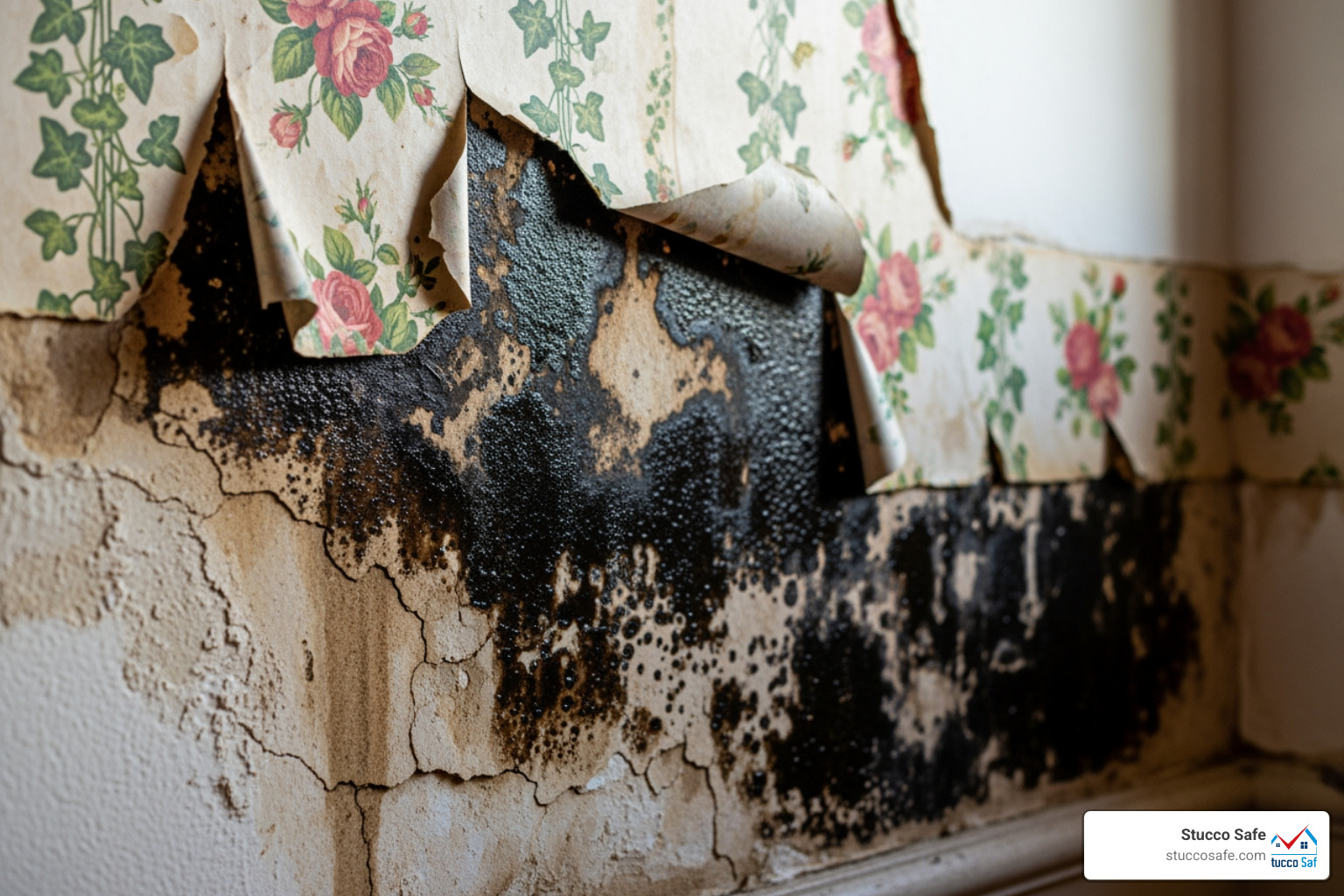
Common hidden spaces include:
- Behind walls and drywall: Caused by leaky pipes or exterior issues like moisture behind stucco.
- Above ceiling tiles: Often resulting from roof or plumbing leaks.
- Under carpets and flooring: Usually identified by smell before sight.
- Inside HVAC ducts: Condensation can lead to mold growth that circulates spores.
- Attics: Poor ventilation or roof leaks create a moist environment.
- Window sills: Condensation can accumulate and foster mold.
Mold grows on many materials, including wood, paper, drywall, and fabric. If these materials remain wet for over 24-48 hours, they are at risk.
How to Detect Mold in Your House: A Step-by-Step Guide
This section provides actionable steps for homeowners to identify mold, focusing on simple checks and when to seek expert help.
How to detect mold in your house with a DIY Inspection
A thorough DIY inspection is the first step when you suspect mold. Use your senses and basic tools to find potential growth and moisture sources.
- Visual Inspection: Look for spots or stains (black, green, white, orange) on walls, ceilings, and floors. Check for peeling paint, warped wood, or bubbling wallpaper. Inspect grout lines and look inside cabinets and under sinks.
- Use Your Sense of Smell: Note any persistent musty or damp odors, especially in basements or bathrooms, which can indicate hidden mold.
- Check Common Hotspots: Focus on high-moisture areas like bathrooms, basements, kitchens, and attics. Don’t forget spots under carpets or behind furniture.
- Look for Moisture Sources: Trace water stains to their source, checking for plumbing or roof leaks. For stucco homes, exterior issues are often the root cause, a specialty of our moisture intrusion detection services.
- Consider a Moisture Meter: This tool helps locate damp areas within walls and floors that might harbor hidden moisture. There are different types, including pin vs. pinless moisture meter options.
- DIY Mold Test Kits: These can detect airborne spores and are best used as an initial screening tool if you suspect a problem but see no visible signs. However, the EPA doesn’t endorse them, and if mold is visible, cleanup is the priority, not testing.
When to Call a Professional for a Mold Inspection
While DIY checks are a good start, professional help is essential in certain situations. A professional inspection goes beyond what you can see, especially since the EPA advises that if mold is visible, cleanup is the priority over testing.
Call a professional to detect mold in your house if you encounter:
- Widespread Growth: If mold covers more than 10 square feet (a 3×3 foot patch), the EPA recommends hiring professionals.
- Suspected Hidden Mold: Persistent musty odors or unexplained health symptoms with no visible mold suggest a hidden problem that requires expert investigation.
- After Major Water Damage: After a flood or major leak, a professional assessment is critical, as mold grows within 24-48 hours.
- Stucco Exteriors: For homeowners in our service areas, our specialized knowledge in home inspector mold testing is invaluable for finding moisture trapped behind stucco.
A reputable, IICRC-certified inspector (like ours at Stucco Safe) will be independent of remediation companies, ensuring an unbiased assessment. We use advanced tools like thermal cameras and moisture meters to find hidden moisture and provide a detailed report.
Our professional stucco inspection and mold testing services typically range from $495 to $1595 or more for very large homes, depending on the scope of the inspection. This investment provides peace of mind and a clear path forward for protecting your property and health in areas like Philadelphia, West Chester, Villanova, King of Prussia, Phoenixville, Berwyn, Paoli, Chester County, and across New Jersey and Delaware.
Prevention and Safety: Keeping Your Home Mold-Free
Preventing mold is even better than having to detect mold in your house. The key is moisture control, as mold can grow within 48 hours of moisture exposure.
Best Methods for Mold Prevention
- Maintain 30-50% Humidity: Use a dehumidifier in damp areas like basements to keep humidity below 50%, as recommended by the EPA. For more, see the EPA guide on indoor air quality.
- Ensure Proper Ventilation: Use exhaust fans in kitchens and bathrooms (vented outside) to dry out moisture. Ensure your clothes dryer also vents outdoors.
- Fix Leaks Promptly: Regularly check for and repair any leaks. For stucco homes, professional stucco leak detection is vital.
- Ensure Proper Drainage: Keep gutters clear and ensure the ground slopes away from your foundation to direct water away.
- Clean and Dry After Water Events: After a spill or flood, dry the area completely within 24-48 hours. Remove materials that can’t be dried quickly.
- Use Mold-Resistant Products: In high-risk areas, consider using mold inhibitors in paints or mold-resistant drywall.
For more, consult the EPA’s A Brief Guide to Mold, Moisture and Your Home.
Recommended Safety Precautions for Cleanup
For small mold patches (less than 10 sq. ft.), DIY cleanup is possible, but safety is paramount.
- Wear Protective Gear: Use an N-95 respirator (per OSHA safety guidelines), goggles, and gloves.
- Isolate and Ventilate: Close doors to other rooms and open a window in the affected area to prevent spores from spreading.
- Use Natural Solutions: Use vinegar or hydrogen peroxide. Avoid bleach, as it’s often ineffective on porous surfaces and can create toxic fumes if mixed with other cleaners.
- When Not to DIY: Call a professional for areas larger than 10 sq. ft., for suspected hidden or black mold, or if you have health concerns. DIY removal in these cases can be dangerous.
Frequently Asked Questions about Detecting Mold
What is the difference between mold and mildew?
Mold and mildew are often confused. While both are fungi that like dampness, they have key differences.
| Feature | Mildew | Mold |
|---|---|---|
| Appearance | Flat, powdery, or downy | Raised, fuzzy, slimy, or sometimes leathery |
| Color | White, gray, or yellowish | Black, green, white, orange, blue, or red |
| Growth Habit | Primarily grows on surfaces | Can burrow beneath surfaces, indicating deeper infestation |
| Health Risks | Generally less severe, often allergic reactions | Can be more severe, causing respiratory issues, infections, and toxic effects |
| Ease of Removal | Easier to remove from surfaces with household cleaners | Can be more challenging, especially if deeply embedded in materials |
In short, mildew is a surface fungus that’s easier to remove. Mold can penetrate materials, posing greater health risks and requiring more extensive remediation.
How can I detect mold in your house if it’s not visible?
Detecting hidden mold is possible. The primary clue is a persistent musty odor, as mold spores are invisible to the naked eye and can grow in concealed damp areas.
Here’s how to detect mold in your house when it’s out of sight:
- Musty Odors: A persistent earthy or damp smell is the most common sign.
- Health Symptoms: Unexplained allergies or respiratory issues that improve when you leave home are a red flag.
- Investigate Hidden Moisture: Look for signs of past water damage or condensation. We specialize in finding hidden issues like moisture behind stucco.
- Professional Mold Air Testing: When mold is hidden, professional mold air testing can identify and quantify airborne spores to confirm a problem.
How does past water damage affect the risk of mold growth?
Past water damage significantly increases mold risk because mold can grow within 48 hours of moisture exposure.
- Trapped Moisture: Moisture can get trapped inside walls or under floors, feeding hidden mold. In stucco homes, this can lead to significant stucco moisture problems.
- Porous Materials: Materials like drywall, wood, and carpet absorb water, allowing mold to grow deep inside them, often requiring professional removal.
- Increased Risk After Flooding: Flooded areas are at extremely high risk. Residual moisture can lead to long-term mold problems.
Thorough drying and inspection after any water event are critical. If your home has a history of water damage, we strongly recommend a professional assessment.
Conclusion
To detect mold in your house, you must use a proactive approach: look for visual cues, smell for musty odors, and note any unexplained health symptoms. Be aware of common hotspots and the risks associated with past water damage.
The ultimate solution is moisture control. By managing humidity, ensuring ventilation, and fixing leaks, you can prevent mold growth. Small patches can often be handled with a safe DIY cleanup.
However, for comprehensive and forensic evaluations, especially in homes with stucco exteriors where hidden moisture and structural issues are common, a certified inspection is crucial. Our team at Stucco Safe provides expert analysis, utilizing advanced forensic testing methods and certified inspectors to uncover even the most elusive mold and moisture problems in Southeastern Pennsylvania, New Jersey, and Delaware. We are dedicated to protecting your property and health.
Don’t let mold remain a mystery. Take the next step to ensure your home is safe by scheduling a professional home mold inspection with us today. Our inspections typically range from $495 to $1595 or more for very large homes, a small investment for your peace of mind.