
Mold and water damage inspection: Crucial 48-Hr Guide
Why Quick Action is Critical After Water Damage
Mold and water damage inspection is essential for protecting your home and health after any water intrusion event. Here’s what you need to know:
Key Facts About Mold and Water Damage:
- Mold can begin growing within 24-48 hours after water damage occurs
- Professional inspection uses specialized equipment like thermal imaging cameras, moisture meters, and air sampling tools to detect hidden problems
- Water damage falls into three categories: Clean (Category 1), Gray (Category 2), and Black (Category 3), each requiring different cleanup approaches
- Areas smaller than 10 square feet can often be cleaned by homeowners, but larger areas, HVAC contamination, or sewage backup require professional remediation
- Hidden mold commonly grows behind wallpaper, under carpets, inside walls, around plumbing, and in HVAC systems
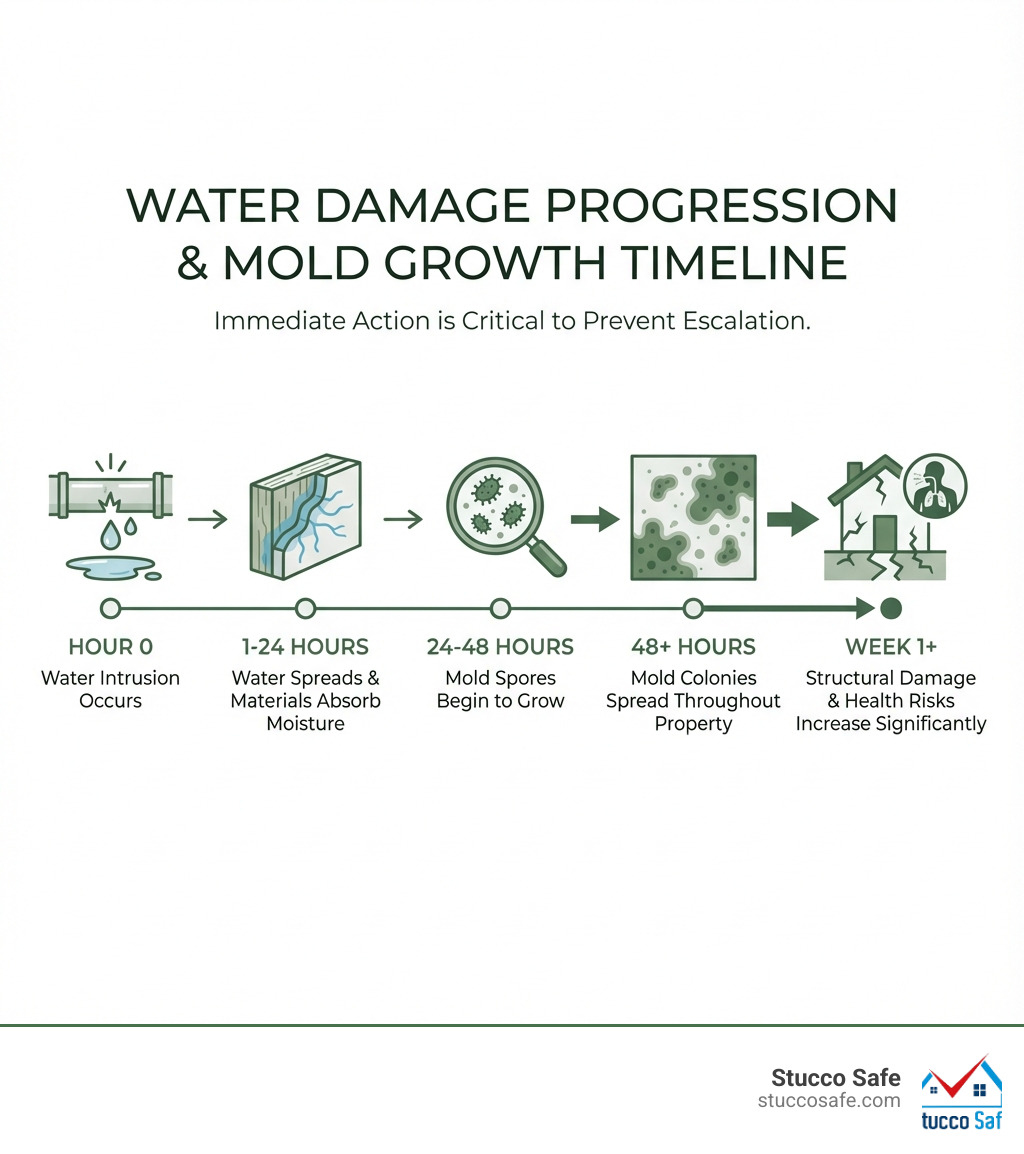
When your home has water damage from a burst pipe, leaky roof, or flood, the clock starts ticking. Mold spores can establish colonies and spread in just 24 to 48 hours. A small water stain can quickly become a serious health and structural problem if not addressed promptly.
Water damage affects around 14,000 people in the US annually. The real danger is the hidden moisture that seeps into walls, floors, and HVAC systems, creating a perfect breeding ground for mold. By the time you notice a musty smell, the problem may already be widespread.
Knowing when to inspect and call professionals can save you from a minor cleanup turning into a costly remediation. This guide covers the critical signs of water damage and mold, the inspection process, and how to protect your home.
I’m Gabe Kesslick, and I’ve been conducting mold and water damage inspections since 2001 as a BESI Level 2 Certified Building Envelope Forensic Inspector and EDI Level 2 Certified Stucco Inspector. I’ve helped hundreds of homeowners in Southeastern Pennsylvania identify hidden moisture problems before they become major structural and health issues, and I’ll share that expertise with you in this handbook.
The Hidden Dangers: Why Water Damage Demands Immediate Attention
Water damage is a direct threat to your home and family’s health. Neglecting it can lead to long-term health risks from mold, bacteria, and pests. At Stucco Safe, we help you understand these risks and act decisively.
Unchecked moisture threatens your home’s structural integrity. Water damage often leads to structural damage, including warped floors, collapsed ceilings, and compromised foundations. We’ve seen these issues throughout Southeastern Pennsylvania, New Jersey, and Delaware, many of which were preventable with prompt action.
Major causes of water damage are surprisingly common. These include:
- Burst pipes and faulty water supply lines
- Appliance leaks from dishwashers, washing machines, or water heaters
- Clogged drains or gutters
- Septic or sewer backups
- Inefficient roof drainage or damaged sprinkler systems
- Natural disasters like heavy rain or flooding
When mold, especially types like Stachybotrys chartarum (‘black mold’), takes hold, the health implications can be severe. Mold produces allergens, irritants, and mycotoxins. Exposure can lead to symptoms like:
- Chronic coughing, sneezing, and sinus congestion
- Persistent headaches or fatigue
- Skin irritation and watery eyes
- Asthma flare-ups, especially in individuals with existing respiratory conditions
- Allergic reactions that worsen indoors
These symptoms are often more severe for children, the elderly, and those with compromised immune systems. A thorough mold and water damage inspection is crucial after any water event.
Understanding the Severity: Water Damage Categories and Classes
Professionals categorize water damage by its contamination level, which dictates the cleanup process and health risks.
Water Damage Categories:
- Category 1 (Clean Water): Originates from a sanitary source like burst pipes or clean sink overflows. Poses no initial threat but can degrade to Category 2 if not addressed quickly.
- Category 2 (Gray Water): Contains significant contaminants from sources like dishwasher discharge or toilet overflows (urine only). Can cause illness upon exposure.
- Category 3 (Black Water): Highly contaminated and hazardous water from sewage backups or floodwater. Contains pathogenic agents and poses severe health risks, requiring professional remediation.
Cleanup methods vary by category. Category 1 involves drying and sanitizing. Category 2 requires more extensive cleaning and possible removal of porous materials. Category 3 demands immediate removal of all porous materials (drywall, carpet) and extensive disinfection, requiring professional containment and equipment.
Water damage is also classified by its class, indicating moisture absorption and evaporation rate. This helps professionals plan the drying process.
Water Damage Classes:
- Class 1 (Slow Evaporation): Affects a small area with minimal moisture absorption. Evaporation is slow.
- Class 2 (Fast Evaporation): Affects an entire room, with moisture wicking up walls. Porous materials are wet, and evaporation is fast.
- Class 3 (Fastest Evaporation): The area is saturated—ceilings, walls, insulation, and floors are all wet. Evaporation is fastest, requiring aggressive drying.
- Class 4 (Specialty Drying): Involves deeply saturated, low-permeability materials like hardwood or concrete. Requires specialty drying methods.
Restoration methods depend on the class. Class 1 may only need air movers, while Class 4 requires advanced equipment like refrigerant dehumidifiers and heat drying systems to prevent long-term damage. Our experts in Southeastern Pennsylvania, New Jersey, and Delaware assess both category and class to create an effective restoration plan.
First Signs of Trouble: Identifying Water Damage and Mold
Catching water damage and mold early is key. While some signs are obvious, others are subtle indicators of a hidden problem.
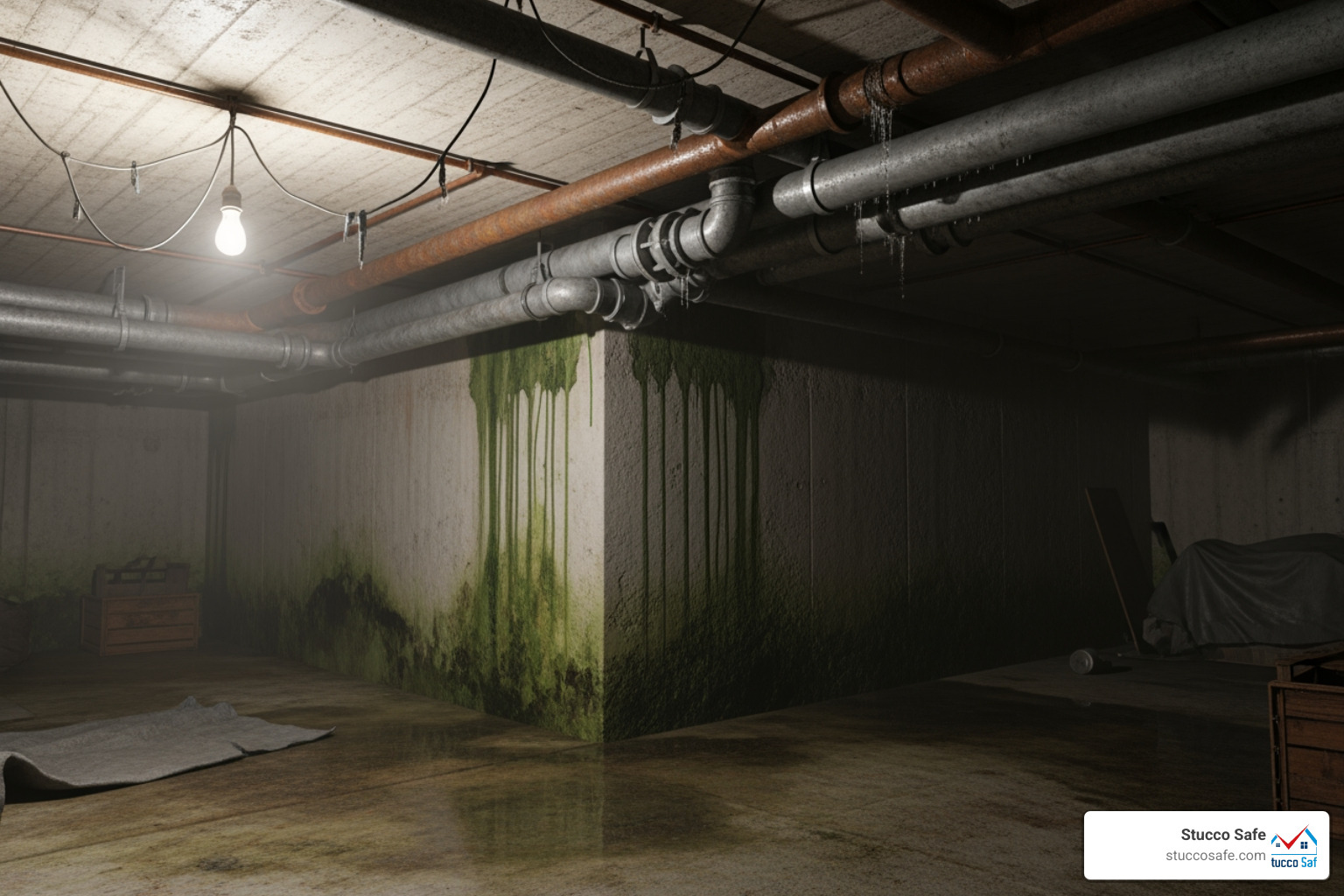
A musty or earthy smell is a common first sign of mold. Mold releases odorous compounds (VOCs) even when not visible. A persistent odor in damp areas like basements, bathrooms, or crawl spaces strongly indicates mold growth.
Other common signs that mold is present in a home or building include:
- Visible discoloration: You might see black, green, brown, or even white spots on walls, ceilings, floors, or furniture. These spots are often fuzzy or slimy.
- Peeling or bubbling paint: Moisture trapped behind paint can cause it to lose adhesion and peel or bubble.
- Warped wood floors: Hardwood floors, subfloors, or even wooden trim can swell and warp when exposed to excess moisture.
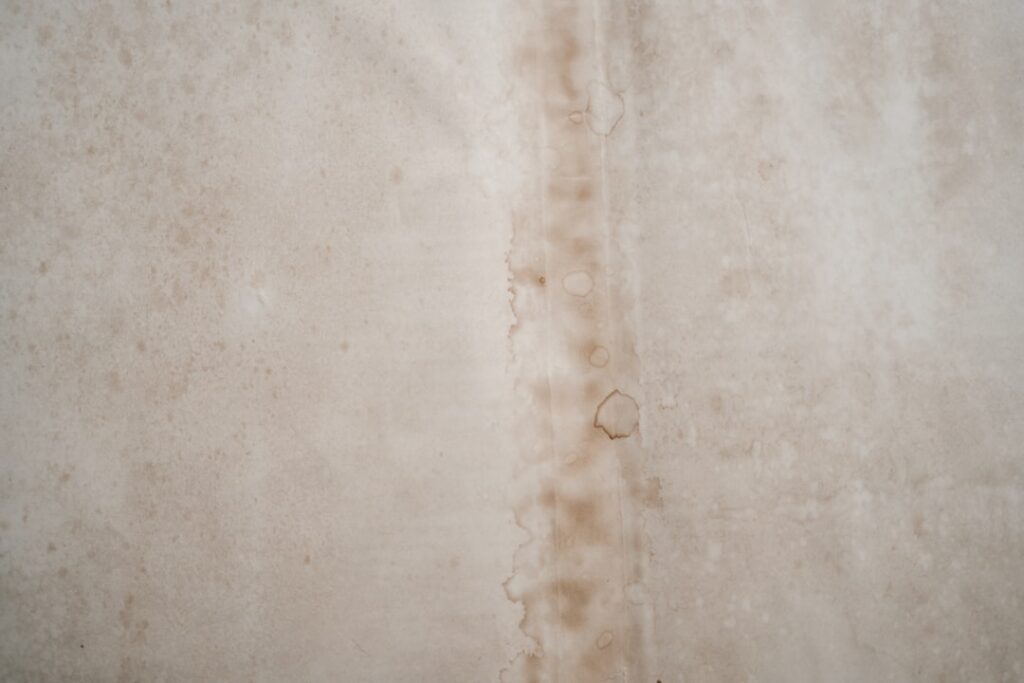
- Stains on ceilings or walls: Water stains, often yellowish or brownish, can indicate current or past leaks from plumbing, roofs, or condensation.
- Sagging drywall: Water-saturated drywall loses its structural integrity and can begin to sag.
- Condensation on windows: While sometimes a normal occurrence, excessive or persistent condensation, combined with other signs, can indicate high indoor humidity levels conducive to mold growth.
If you observe any of these signs, don’t delay. Prompt action can save you from more extensive damage and costly remediation.
Where to Look for Hidden Mold and Moisture
Mold often hides in damp, dark, and inaccessible areas. A thorough mold and water damage inspection must look beyond the obvious.
Common hidden areas where mold and moisture can lurk include:
- Behind wallpaper: Vinyl wallpaper, in particular, can trap moisture against the wall, creating a perfect mold incubator.
- Underneath carpets and padding: If your carpet feels damp, smells musty, or has visible discoloration on the underside, mold could be flourishing beneath.
- Inside wall cavities: Leaky pipes or exterior water intrusion can saturate insulation and drywall from the inside out, leading to hidden mold growth. Signs like peeling paint or soft spots on walls might indicate this.
- Around plumbing pipes: Leaky or sweating pipes under sinks, behind toilets, or inside walls are prime locations for mold.
- HVAC systems and ducts: Condensation in air conditioning units or ducts, especially if not properly drained or maintained, can lead to mold circulating spores throughout your home.
- Attics and crawl spaces: These areas are often neglected, poorly ventilated, and prone to moisture from roof leaks, condensation, or ground moisture.
- Behind furniture against exterior walls: Poor air circulation combined with a cold exterior wall can lead to condensation and subsequent mold growth.
For a basic check, you can use a Mold and Moisture Home Inspection Checklist. However, for a comprehensive assessment of hidden issues or persistent symptoms, professional help is invaluable.
The Professional Mold and Water Damage Inspection Process
DIY methods often fall short in detecting hidden moisture and mold. A basic moisture meter for a home inspection basement moisture check isn’t enough; understanding the full scope requires specialized tools and expertise.
DIY Limitations
Homeowners often find DIY mold detection ineffective. Here’s why:
- Inaccurate DIY test kits: Store-bought kits can detect spores but can’t identify the mold type, determine if it’s an active growth, or pinpoint the moisture source. The EPA notes that identifying species like Stachybotrys chartarum requires professional lab analysis.
- Spreading spores: A DIY investigation can release millions of mold spores, spreading contamination and worsening health symptoms.
- Lack of specialized equipment: Homeowners lack the advanced tools professionals use to find hidden moisture.
Professional Advantages
A professional mold and water damage inspection makes all the difference. Stucco Safe’s certified inspectors use specialized equipment and forensic testing to accurately diagnose your property.
What to Expect During a Professional Mold and Water Damage Inspection
A Stucco Safe mold and water damage inspection in Southeastern Pennsylvania, New Jersey, or Delaware is a comprehensive, systematic process to uncover all hidden issues.
Here’s what our process typically involves:
- Visual Assessment: A thorough visual exam for signs of water damage, mold, and moisture-conducive conditions.
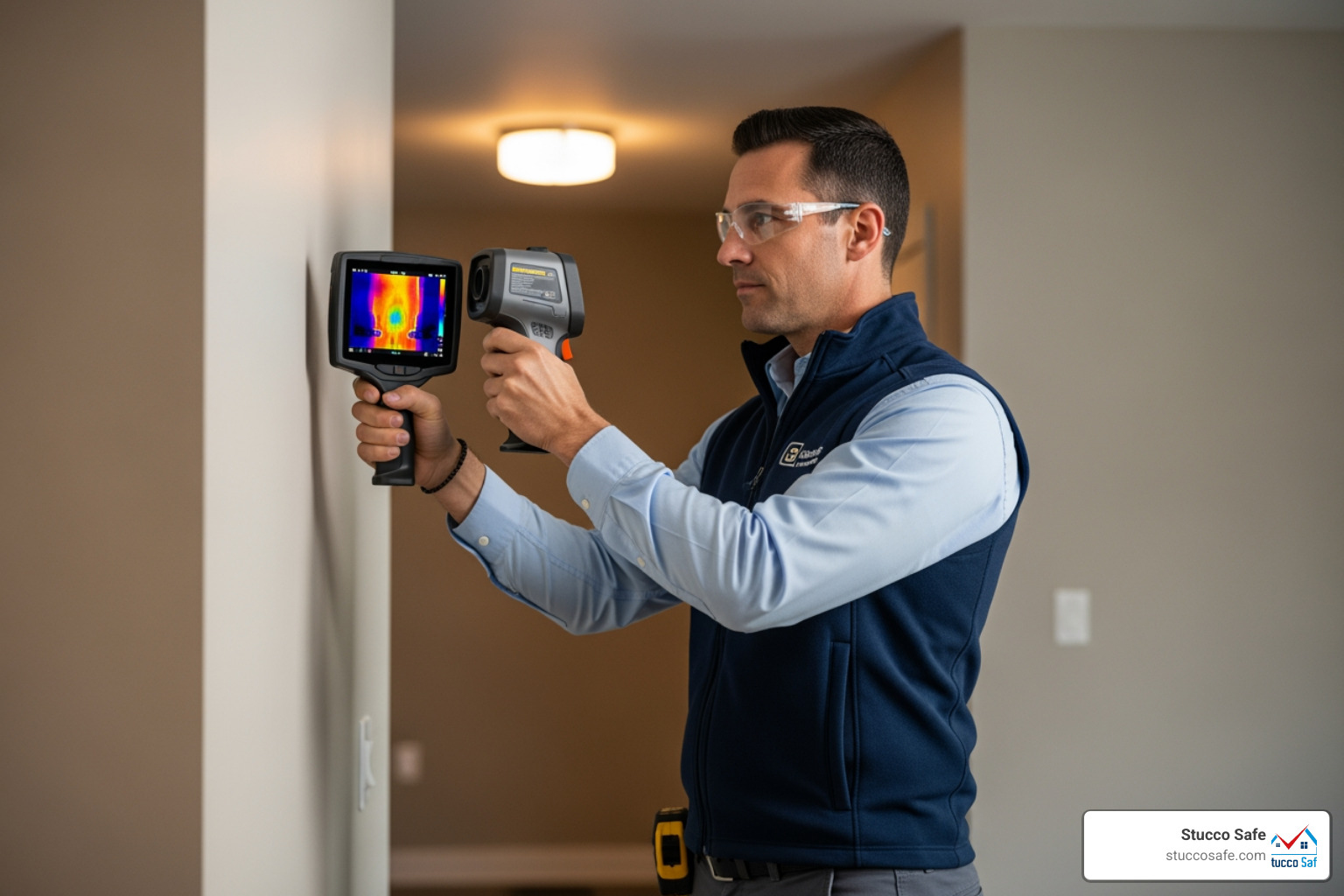
- Moisture Meters: Advanced meters detect hidden moisture in materials like drywall and wood, even if they appear dry.
- Thermal Imaging Cameras: Infrared cameras reveal temperature differences that indicate hidden moisture without demolition. We use them with other tools for accuracy.
- Borescopes for Wall Cavities: A tiny camera on a flexible tube lets us inspect inside walls through a small hole, confirming mold or moisture non-invasively.
- Air and Surface Sampling: If mold isn’t visible but suspected due to health concerns or for legal reasons, we may take air or surface samples. Accredited labs analyze these to identify mold types and concentrations, which requires expert interpretation.
- Identifying the Water Source: We pinpoint the exact water source—be it a leak, seepage, or condensation—which is critical for preventing recurrence.
- Assessing the Extent of Damage: We determine the spread of water, categorize it, and classify the damage to plan restoration.
- Safety Assessment: We check for other safety hazards like asbestos or lead, especially in older homes.
Our inspectors provide a detailed report with all findings and recommendations. For stucco homes, our EIFS inspections are critical for finding hidden moisture traps.
Choosing a Qualified Inspector: DIY vs. Professional
Deciding between DIY and professional help is common. While small mold patches (less than about 10 square feet) may be a DIY job, most situations require professional expertise.
When to Call a Professional:
- Large mold area: If the moldy area is larger than 10 square feet, the EPA recommends consulting professionals.
- HVAC contamination: If you suspect mold in your heating, ventilation, and air conditioning (HVAC) system, professional intervention is necessary.
- Sewage backup: Water damage from sewage (Category 3) is highly hazardous and requires specialized cleanup.
- Health sensitivities: If anyone in your household has asthma, allergies, or a compromised immune system, it’s safer to hire professionals.
- Hidden mold: If you smell mold but can’t see it, a professional has the tools to locate the hidden source.
- Recurrent problems: If mold keeps returning after your cleanup efforts, a professional can identify the unaddressed moisture source.
Certifications to Look For:
When selecting a professional, look for certifications that indicate specialized training and adherence to industry standards. These include:
- IICRC (Institute of Inspection, Cleaning and Restoration Certification): This organization sets global standards for the restoration industry.
- AMRT (Applied Microbial Remediation Technician): An IICRC designation for individuals knowledgeable in mold and sewage remediation.
Questions to Ask a Potential Inspector:
To hire a qualified professional, ask these questions:
- What are your qualifications and certifications (e.g., IICRC, AMRT, BESI)?
- How much experience do you have with mold and water damage inspection in our local area?
- Can you provide references?
- What specific equipment do you use for detection?
- Do you offer forensic testing methods?
- What does your inspection report include?
- Do you perform remediation, or do you provide an unbiased inspection report? (At Stucco Safe, we provide unbiased inspection reports.)
- What are your fees, and what is included? (Our stucco inspection costs range from $495 to $1595+, depending on home size and complexity.)
After the Inspection: Remediation and Prevention
Once a professional mold and water damage inspection has identified the problem’s extent, the next steps are remediation and prevention. Prompt restoration is vital, as materials not dried within 48 hours are highly susceptible to mold.
Mold Remediation and Cleanup Process
Professional mold remediation is a systematic process to safely remove mold and prevent its return. It typically involves:
- Containment: Technicians use containment barriers (plastic sheeting, negative air pressure) to stop spores from spreading to unaffected areas.
- Water Extraction: The water source is stopped, and any standing water is removed using industrial pumps and vacuums.
- Drying and Dehumidification: Heavy-duty air movers and commercial-grade dehumidifiers dry all materials and lower indoor humidity to 30-50%. The process is monitored with moisture meters and thermal cameras.
- Removal of Contaminated Materials: Porous materials with significant mold or water damage (drywall, carpet, insulation) must be removed and disposed of, especially if from Category 2 or 3 water.
- Cleaning and Sanitizing: Non-porous surfaces are cleaned with antimicrobial solutions. HEPA vacuums, air scrubbers, and negative air machines remove and filter mold spores from surfaces and the air.
- Repair and Reconstruction: Once the area is completely dry and sanitized, repairs can begin to restore your property.
The Role of Insurance in Mold Remediation Services
Insurance claims for mold can be complex. Most policies cover mold from a sudden, accidental event (like a burst pipe), but not from neglect or floods (which need separate insurance). It’s essential to:
- Review your policy to understand your coverage.
- Document all damage with photos and videos.
- Report the incident to your insurance provider promptly.
- Keep detailed records of all communications and costs.
Many remediation companies can assist with the insurance claims process.
Safety and Prevention Best Practices
Safety is paramount during mold cleanup. Personal protection is key for both DIY and professional jobs.
| DIY Cleanup (Small Areas < 10 sq. ft.) | Professional Remediation (Large Areas, Hazardous Water, Hidden Mold) |
|---|---|
| Wear PPE: N-95 respirator, gloves, goggles. | Full PPE: Respirators (often higher-grade), hazmat suits, gloves, eye protection. |
| Containment: Close off affected room. | Advanced Containment: Negative air pressure, sealed off work zones. |
| Equipment: Scrub brushes, buckets, detergent, fans, dehumidifier. | Specialized Equipment: Industrial air movers, commercial dehumidifiers, HEPA vacuums, air scrubbers, borescopes, thermal cameras. |
| Disposal: Double-bag moldy materials and dispose of as regular trash. | Specialized Disposal: Adherence to waste disposal regulations for hazardous materials. |
| Post-Cleanup: Ensure area is completely dry, monitor for recurrence. | Post-Remediation Verification: Often includes third-party testing to ensure mold levels are safe. |
Personal Protective Equipment (PPE):
Always wear appropriate PPE when dealing with mold to avoid inhaling spores or skin contact.
- N-95 Respirators: These masks filter out mold spores. The Occupational Safety and Health Administration (OSHA) emphasizes proper fit for them to be effective.
- Gloves: Use long, disposable gloves.
- Goggles: Wear non-vented goggles to protect your eyes.
General Prevention Tips:
The key to mold control is moisture control. Here are best practices for prevention:
- Control humidity: Keep indoor humidity below 60 percent (ideally 30-50 percent) using dehumidifiers or air conditioners.
- Proper ventilation: Ensure bathrooms, kitchens, and laundry rooms are well-ventilated with exhaust fans that vent outside.
- Gutter maintenance: Regularly clean and repair gutters to direct water away from your foundation.
- Grading landscape: Grade the ground to slope away from your foundation to prevent water pooling.
- Promptly fix leaks: Address all plumbing, roof, and other water leaks as soon as they are found.
- Dry wet items quickly: Dry all wet items and areas within 24-48 hours.
- Clean and maintain HVAC: Regularly inspect and clean HVAC systems and drip pans.
- Insulate cold surfaces: Insulate cold pipes to prevent condensation.
For more details, see the EPA’s Mold Cleanup in Your Home guide.
Frequently Asked Questions about Mold and Water Damage
We often encounter common questions from homeowners in Southeastern Pennsylvania, New Jersey, and Delaware about mold and water damage. Here are some of the most frequent ones:
Can I just paint over mold?
No. Painting over mold only hides the problem. The mold must be physically removed and the moisture source fixed. Painting traps moisture, allowing mold to grow underneath, which damages materials and worsens air quality. It will eventually reappear.
How long does it take for mold to grow after water damage?
Mold can start growing in as little as 24 to 48 hours after water damage if conditions are right (moisture, a food source, and suitable temperature). This tight timeline is why prompt mold and water damage inspection and restoration are critical. The longer materials stay wet, the higher the risk of a major infestation.
Is all black-colored mold the toxic “black mold”?
No. Many common molds are black. The toxic “black mold” (Stachybotrys chartarum) cannot be identified by color alone; it requires professional lab testing. Regardless of color or type, all indoor mold growth should be removed, as any mold can cause health issues and property damage.
Protect Your Property from Hidden Moisture
The 48-hour window for mold growth after water intrusion is critical. What you can’t see can harm your health and property value. Signs like a musty odor or peeling paint indicate a hidden battle with moisture and mold.
While DIY checks help, a professional mold and water damage inspection is often necessary. Our certified inspectors at Stucco Safe specialize in forensic testing methods, utilizing advanced tools like thermal imaging cameras, moisture meters, and borescopes to accurately detect hidden moisture and mold in your home, even within challenging building materials like stucco. We serve homeowners and property owners throughout Southeastern Pennsylvania, New Jersey, and Delaware, providing you with a comprehensive and unbiased assessment to protect your investment.
Don’t let hidden moisture compromise your home’s integrity or your family’s health.
Contact our moisture detection experts for a comprehensive evaluation.