
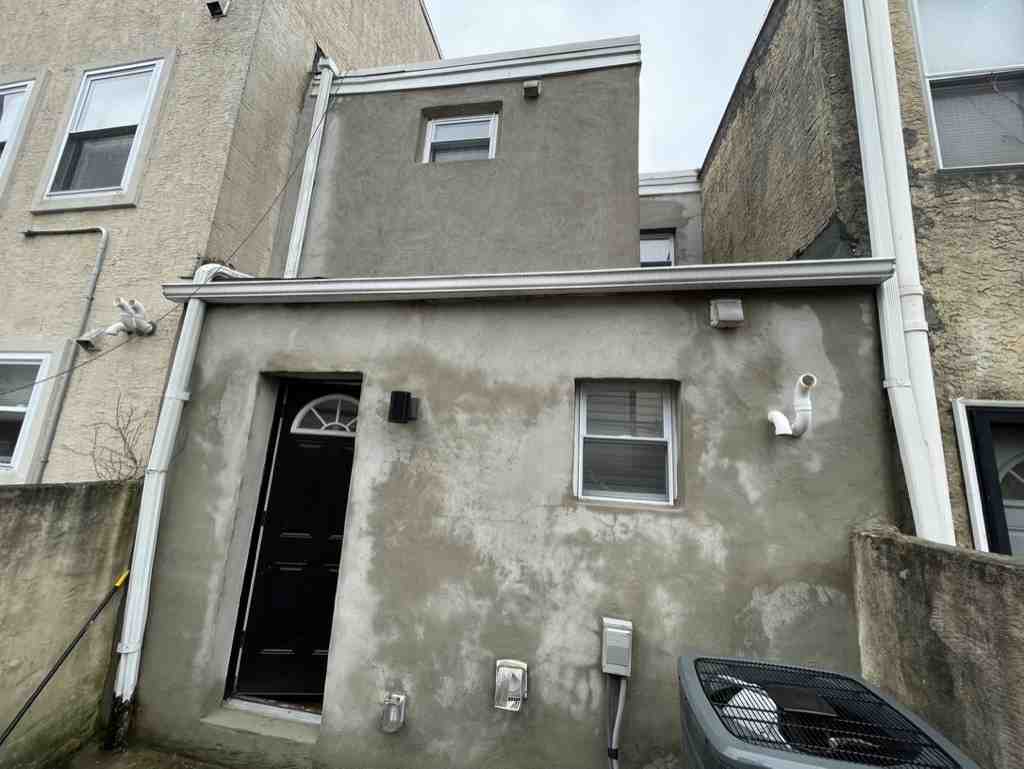
How to Repair Exterior Stucco: 3 Methods that Guarantee Results
Why How to Repair Exterior Stucco Matters for Your Home’s Protection
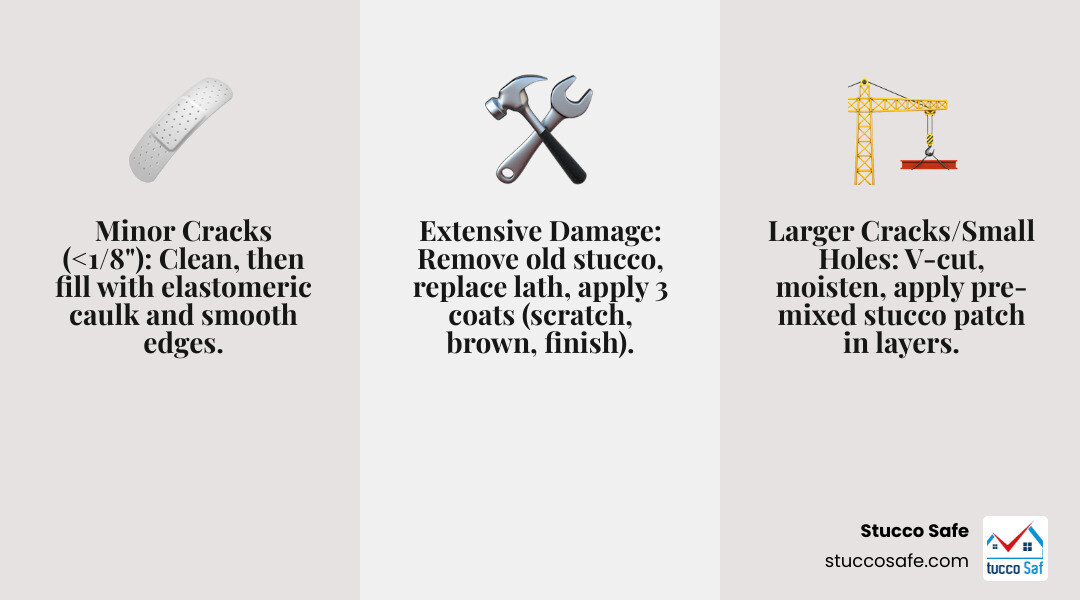
How to repair exterior stucco depends on the damage. Here are the three main approaches:
Minor Cracks (up to 1/8-inch): Clean the crack and fill with elastomeric or sanded acrylic caulk, then smooth the edges.
Larger Cracks & Small Holes: Undercut the damage into a “V” shape, clean it, and apply pre-mixed stucco patch in layers.
Extensive Damage: Remove all damaged stucco, replace the building paper and metal lath if needed, and apply a three-coat system: scratch, brown, and finish coats with proper curing times.
Stucco can last up to 100 years, but even small cracks can let water seep in, causing mold, wood rot, and thousands in repairs. The good news is that most stucco damage is fixable, and using the right method saves time and money.
Homes built between 1993 and 2006 face a particularly high risk of stucco failure due to incorrect building codes from that era. This makes knowing when to DIY and when to call a professional critical for protecting your home’s structural integrity.
I’m Gabe Kesslick, an EDI Level 2 Certified Stucco Inspector and BESI Level 2 Certified Building Envelope Forensic Inspector. Since 2001, I’ve seen how the right techniques prevent catastrophic damage, and I’ll show you exactly how to repair exterior stucco using methods that work.
First, Assess the Damage and Gather Your Supplies
Before starting a repair, you must diagnose the problem. Understanding the type and severity of the damage determines the correct method for how to repair exterior stucco.
Common Types of Stucco Damage and Their Causes
Each type of damage tells a story about your home’s condition:
- Hairline cracks: Thin lines (less than 1/8-inch wide) usually from normal house settling or temperature changes. While seemingly minor, they can widen and allow water entry.
- Chipping and flaking: Chunks of stucco breaking off, caused by impact or, more often, moisture intrusion. When water freezes behind stucco, it expands and pushes the material off, exposing the metal lath underneath to rust.
- Stains and discoloration: Dark streaks below windows or near roofs often indicate water running behind the stucco. A white, chalky residue (efflorescence) appears as water evaporates and leaves mineral salts. Green or black patches are mold, a clear sign of a persistent moisture problem.
- Blisters and buckling: Bubbles on the surface or stucco pulling away from the wall are serious signs. Both are caused by trapped moisture destroying the bond between the stucco and the wall, often indicating compromised lath and sheathing.
Essential Tools and Materials for Stucco Repair
Gathering your supplies beforehand will streamline the process. Your needs will vary based on the repair’s scope.
Tools:
- Hammer and cold chisel
- Wire brush
- Flat and pointed trowels
- Mixing bucket or wheelbarrow
- Spray bottle or garden hose
Materials:
- For minor cracks: Elastomeric or sanded acrylic caulk.
- For small/medium repairs: Pre-mixed stucco patch.
- For extensive repairs: Traditional stucco mix (Portland cement, sand, hydrated lime), acrylic bonding agent, Grade-D builder’s paper, and galvanized metal lath.
- For color matching: Stucco pigment.
Safety Precautions and Ideal Working Conditions
Safety is non-negotiable when working with cement-based products.
- Personal Protective Equipment (PPE): Always wear safety goggles, heavy-duty gloves (wet cement is alkaline and can cause chemical burns), a dust mask or respirator, and long sleeves and pants.
- Ideal Conditions: The best temperature for stucco work is between 40 and 90 degrees Fahrenheit. Avoid direct sunlight and high winds, as they cause the stucco to dry too quickly, leading to weakness and cracking. If you must work in the sun, mist the area frequently and consider hanging tarps for shade. Proper curing requires moisture.
The Complete Guide on How to Repair Exterior Stucco
With the damage assessed and supplies gathered, it’s time to begin the repair. Choosing the right method for how to repair exterior stucco is the key to a lasting fix.
Method 1: How to Repair Exterior Stucco with Minor Cracks
This method is for hairline cracks (less than 1/8-inch wide). These are often cosmetic but can become entry points for water.
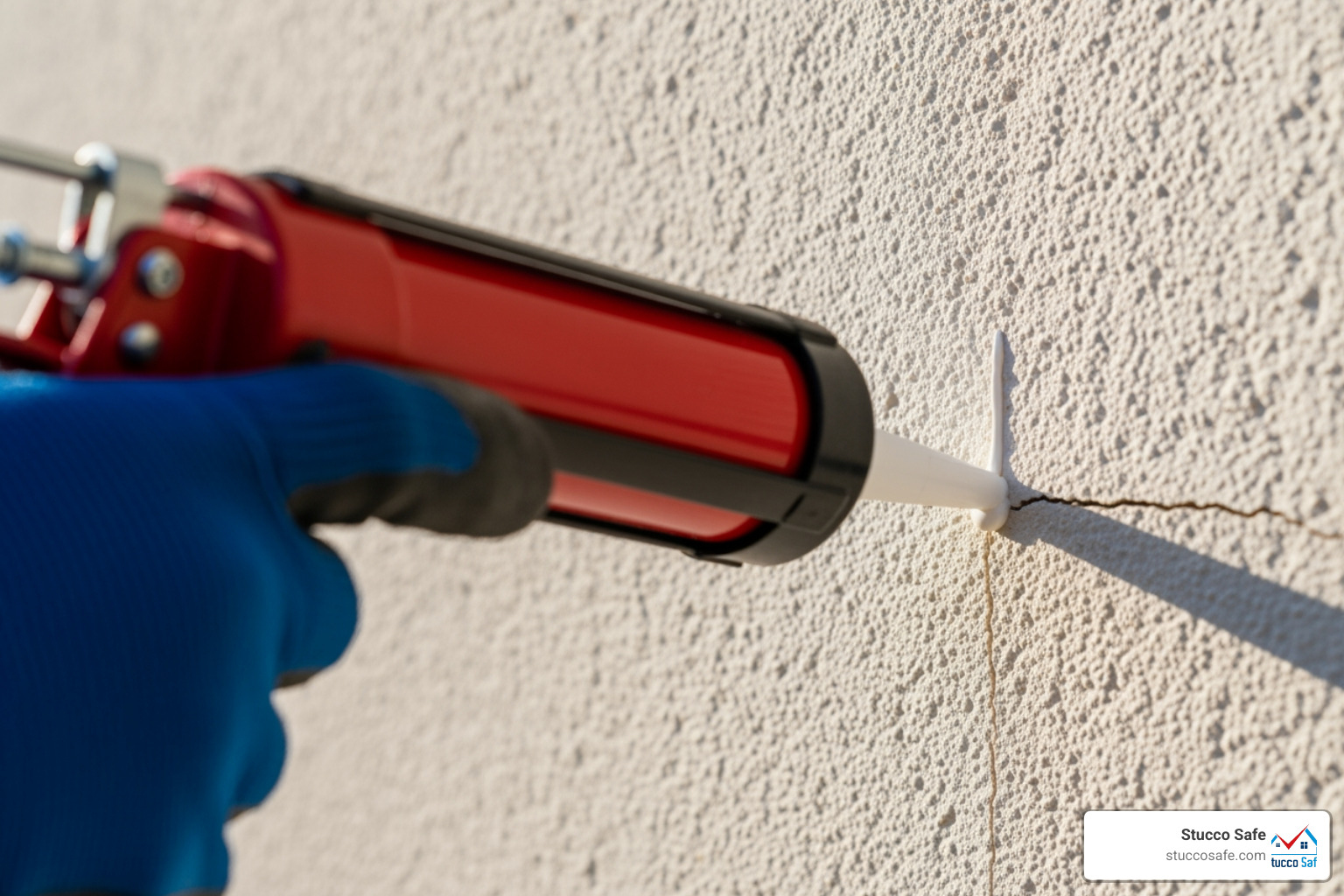
Use sanded acrylic or elastomeric caulk, which offers flexibility and a textured finish that blends well. Start by cleaning loose debris from the crack with a wire brush. Apply a steady bead of caulk, ensuring it fills the crack’s depth. Immediately smooth the caulk and feather the edges with a damp finger or sponge to create a seamless transition. Allow the caulk to cure for 24 hours before painting.
Method 2: How to Repair Exterior Stucco with Larger Cracks and Holes
For cracks wider than 1/8-inch or small holes, a pre-mixed stucco patch provides a more robust solution.
First, create a mechanical lock. Use a hammer and cold chisel to widen the crack or hole, undercutting the edges into a “V” shape. This prevents the patch from popping out. Clean the area thoroughly with a wire brush to remove all dust and debris for proper adhesion.
Lightly mist the area with water. This prevents the existing stucco from drawing moisture out of the new patch too quickly. Press the stucco patch firmly into the prepared area. For deeper repairs, apply the patch in layers, allowing each to firm up before adding the next. Build the patch up until it’s just below the existing stucco surface.
Once the final layer is firm, use a trowel, sponge, or brush to match the texture of the surrounding wall. Keep the patch moist by misting it for 24-48 hours to ensure it cures properly. Allow it to cure fully (usually several days) before painting.
Method 3: The Three-Coat System for Extensive Damage
For large areas of damage where the underlying structure may be compromised, a traditional three-coat system is necessary. This is the most involved method but also the most durable.
Step 1: Remove All Damaged Stucco
Use a hammer and cold chisel to remove all loose or crumbling stucco until you reach a solid, intact edge.
Step 2: Inspect and Replace Building Paper and Metal Lath
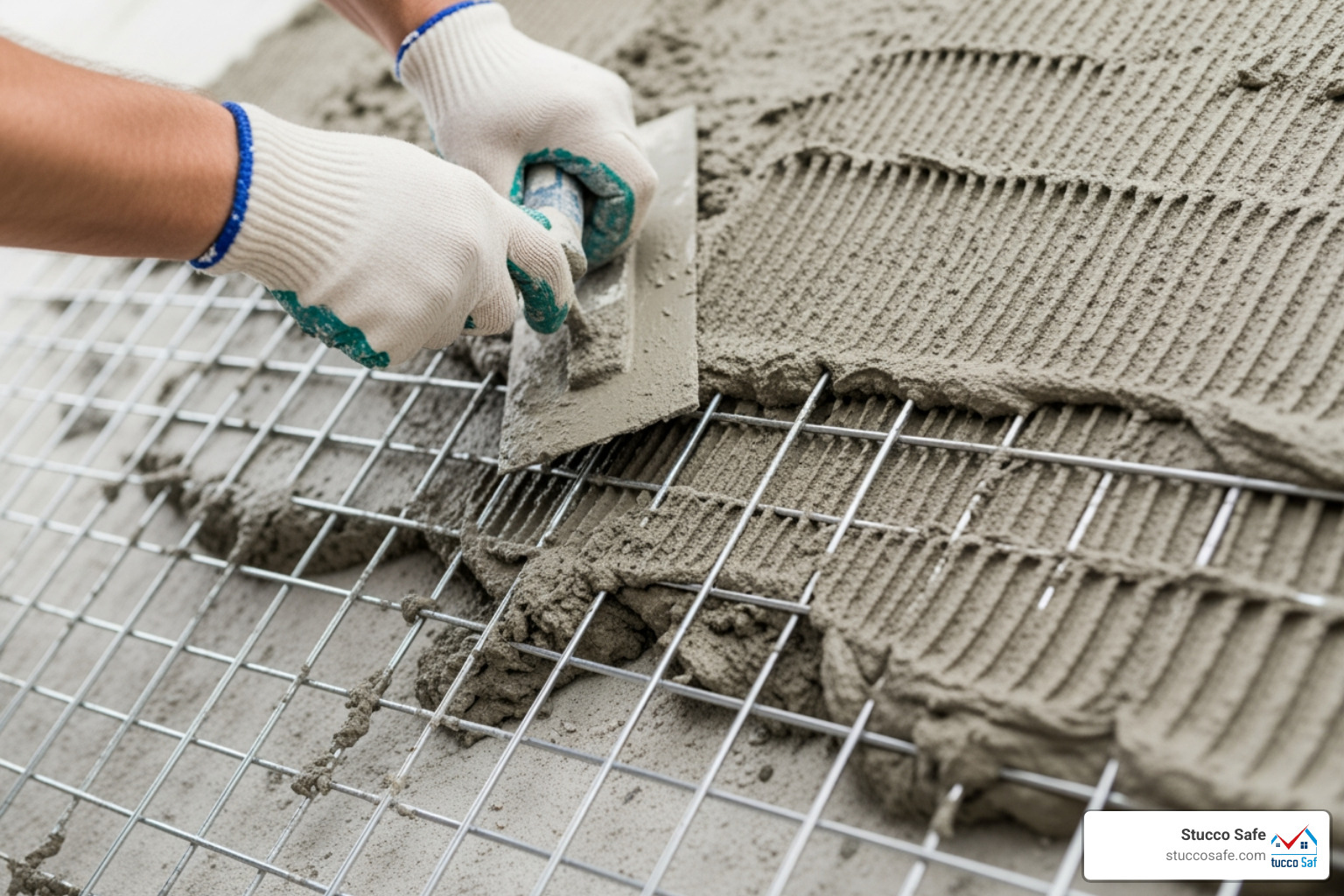
Examine the exposed layers. If the building paper is torn or water-damaged, it must be replaced. Cut two layers of new Grade-D builder’s paper, overlapping the existing paper by at least 6 inches. If the metal lath is rusted or damaged, replace it with new galvanized lath, overlapping the existing lath by an inch and securing it tightly to the wall.
Step 3: Apply the Scratch Coat
This is the foundational layer. Mix your stucco to a thick, workable consistency. Apply a 1/4-inch thick layer over the lath, pressing firmly to ensure it grips the mesh. While the coat is still wet, use a notched trowel to scratch horizontal grooves into the surface. These grooves are critical for the next coat’s adhesion. Cover the area with plastic and let it cure for 24 to 48 hours, misting occasionally to keep it moist.
Step 4: Apply the Brown Coat
This coat adds bulk and creates a level surface. After the scratch coat has cured, mist it lightly. Apply a 3/8-inch thick layer of the brown coat, smoothing it flush with the surrounding stucco. Cover with plastic and allow it to cure for 5 to 7 days, misting daily. Do not rush this step; proper curing is essential for strength.
Step 5: Apply the Finish Coat
This final layer provides texture and color. After the brown coat has fully cured, mist it and apply a thin, even layer of the finish coat. Work to blend it seamlessly with the existing stucco and match the texture. Allow the finish coat to cure for at least 7 days, keeping it moist, before painting.
The entire three-coat process takes about two weeks, but the result is a repair that can last for decades. You can find more visual guides at resources like How To Repair Stucco. If moisture caused the initial damage, you must fix the source of the leak for the repair to last.
Achieving a Flawless Finish and Preventing Future Issues
Making your repair blend in is an art, but it’s achievable with patience. Once the repair is done, a few maintenance habits can prevent future problems.
How to Match Stucco Texture and Color
Matching texture and color is often trickier than the repair itself, but it’s key to a professional-looking result.
Texture Matching:
First, closely examine your existing stucco. Are you trying to match a smooth, sandy, or rough texture?
- For fine textures, use a damp sponge float in a circular motion.
- For rougher finishes, experiment with trowel techniques like sweeping arcs or stippling.
- For coarse looks, a stiff-bristled brush can be dabbed or dragged across the wet finish coat.
Pro Tip: Practice on a scrap piece of board first to perfect your technique. When applying the finish to the wall, feather the edges outward to blend the patch seamlessly.
Color Matching:
- Unpainted Stucco: Add stucco pigments to your finish mix. Test small batches and let them dry completely to see the final color.
- Painted Stucco: Take a paint chip (about the size of a quarter) to a paint store for a custom color match.
For a truly flawless finish, especially after larger repairs, we recommend painting the entire wall with a high-quality, breathable acrylic masonry paint. This ensures a uniform appearance and adds a protective layer to all your stucco.
Best Practices for Stucco Maintenance and Prevention
A little prevention goes a long way with stucco.
- Inspect Regularly: Walk around your home twice a year (spring and fall) to look for new cracks, stains, or chipping.
- Clean Gently: Use a soft-bristled brush and mild detergent to remove dirt and mildew. If using a pressure washer, use the lowest setting and keep a safe distance to avoid damaging the surface.
- Consider a Sealer: Applying a breathable, water-repellent sealer every few years can reduce water absorption while allowing the wall to breathe.
- Address Damage Immediately: Fixing a small crack with caulk is a quick job. Letting it grow can lead to a major, expensive repair.
When to Call a Professional Instead of DIY
While many repairs are DIY-friendly, some situations require an expert.
- Widespread Damage: If you see cracking, blistering, or crumbling across large sections, it likely points to a systemic issue like foundation settling or improper installation.
- Signs of Deep Moisture Intrusion: Persistent dark stains, mold growth (inside or out), or a musty smell are red flags. Water trapped behind stucco can cause rot and structural damage. Our forensic moisture testing at Stucco Safe can pinpoint where water is hiding.
- Structural Concerns: If you remove stucco and find rotted wood sheathing or framing, stop and call a professional. This affects your home’s structural integrity.
- Homes Built Between 1993 and 2006: Due to flawed building codes during this period, these homes have a high failure rate. If you own a home from this era and see any damage, a professional inspection is a wise investment.
If you’re not confident in your skills, hiring a certified professional ensures the job is done right. Professional repairs can range from a few hundred to several thousand dollars, but an inspection can save you from tens of thousands in hidden damage. Our inspections at Stucco Safe range from $495 to $1,595 or more for very large homes. You can learn more at resources like Stucco Repair: How To Fix Cracks and Blisters.
Frequently Asked Questions about Stucco Repair
Here are answers to the most common questions homeowners have about stucco repair.
What is the best stucco patch for different kinds of damage?
The right product depends on the damage:
- For hairline cracks (up to 1/8-inch): Use a flexible sanded acrylic or elastomeric caulk. The sand helps it blend with the stucco texture, and its flexibility accommodates minor house movements.
- For larger cracks and small holes: A pre-mixed stucco patch is convenient and effective. It can be applied in layers to fill the void.
- For extensive damage: A traditional three-coat stucco mix (Portland cement, sand, and lime) is the only proper solution. This is necessary when rebuilding large sections or replacing the underlying lath.
What are the proper curing times for stucco layers?
Improper curing is the number one reason DIY stucco repairs fail. Curing is a chemical reaction that requires time and moisture to build strength. Do not rush it.
- Scratch Coat: Cure for 24 to 48 hours.
- Brown Coat: Cure for 5 to 7 days.
- Finish Coat: Cure for at least 7 days before painting.
During each curing period, you must keep the patch moist by misting it with water, especially in hot or windy conditions. This prevents the stucco from drying too fast, which leads to cracking and a weak patch.
Can I paint over a new stucco patch?
Yes, but only after the patch has fully cured. This can take anywhere from a week for small caulk or patch repairs to a month for a full three-coat system. Painting too soon traps moisture and can cause the paint to fail.
When you do paint, use a high-quality, breathable acrylic masonry paint. This type of paint allows moisture vapor to escape from within the wall, preventing future blistering and peeling. For a truly uniform finish, it’s often best to paint the entire wall from corner to corner.
If you’re dealing with persistent staining or widespread damage, it may be time for a professional assessment. At Stucco Safe, our certified inspectors use forensic moisture testing to find hidden issues. An inspection, typically costing $495 to $1,595+, is a wise investment compared to the potential cost of major structural repairs. Learn more about professional stucco painting and repair services to see how we can help.
Conclusion
We’ve covered how to repair exterior stucco, from simple caulk fixes for hairline cracks to full three-coat system rebuilds. You now know the tools, techniques, and critical curing times needed for a successful repair. The most important takeaway is to match the right method to the specific damage.
However, fixing what you can see is only half the battle. A truly lasting repair addresses the root cause. While some cracks are from normal settling, others are symptoms of a larger problem: moisture intrusion. Widespread cracking, persistent stains, or mold are red flags that water may be silently damaging your home’s structure.
This is where professional expertise becomes invaluable. At Stucco Safe, we are EDI and BESI Certified Stucco and Building Envelope Forensic Inspectors. We don’t just look at the surface; we use advanced forensic moisture testing to uncover what’s happening behind your walls. We serve homeowners throughout Southeastern Pennsylvania, New Jersey, and Delaware.
Our inspections, which range from $495 to $1,595 or more for very large homes, provide a complete picture of your home’s condition. This is a small investment compared to the tens of thousands of dollars that hidden rot and structural damage can cost. Don’t let a small stucco problem grow into a catastrophe.
Whether you’re tackling a DIY repair or need an expert eye on a bigger concern, you are now equipped with the knowledge to protect your home’s long-term health and value.
Learn more about professional stucco painting and repair services