A clean stucco exterior can conceal wet sheathing, deteriorated framing, and installation defects that do not show up during a quick walk-around. That is why a homebuyer guide to wall testing should begin with one fact: a wall can look finished and sound while water is moving behind it. Before you waive contingencies or negotiate from assumptions, you need evidence about the exterior wall system protecting the home.
For buyers of homes with stucco or EIFS, wall testing is not a cosmetic add-on to a general inspection. It is a focused investigation of whether the building envelope is managing water as intended. The answer can materially affect the price you offer, the contingencies you retain, and whether the property remains a sensible purchase.
Why a General Inspection May Not Answer the Wall Question
A general home inspector has a broad assignment: evaluate visible conditions across the roof, structure, mechanical systems, interior, and exterior within a limited appointment. That work is valuable, but hidden moisture behind cladding is a specialized building-envelope question. It often cannot be answered from the ground, from a few photographs, or by tapping on the wall.
Stucco and EIFS are layered systems. Their performance depends on details that direct water away from vulnerable areas: flashing, transitions, sealant joints, kick-out diverters, roof-wall intersections, window and door openings, deck attachments, and penetrations for fixtures or utilities. If those details are missing, improperly integrated, or damaged, water can enter behind the visible finish.
The problem is that the finish may continue to look acceptable. Moisture can remain behind the wall for months or years before interior staining, peeling paint, soft trim, mold-like odors, or obvious cracking appear. By then, the damage may extend beyond a small isolated area.
A homebuyer should treat a recommendation for further evaluation as a reason to investigate, not as a vague warning to ignore. The question is not simply, “Is there a crack?” It is, “Where can water enter, where is it collecting, and what materials have been affected?”
What Professional Wall Testing Looks For
Specialized wall testing combines observation, moisture investigation, and documentation. The right scope depends on the age of the house, the cladding type, visible conditions, past water events, and the transaction timeline. A thoughtful inspector does not begin by assuming every wall has the same condition.
Visual review identifies risk areas
The inspection commonly begins with a systematic exterior review. The inspector examines elevations, windows, doors, roof lines, chimneys, deck connections, grade conditions, trim transitions, and penetrations. These locations matter because water follows gravity and exploits discontinuities in the drainage plane.
Visible clues can include improperly terminated cladding, cracking near openings, stained sealant, missing or suspect flashing, bulging surfaces, deteriorated trim, or inadequate clearance between stucco and soil. None of these observations alone proves hidden damage. They identify where more meaningful testing may be warranted.
Moisture readings investigate concealed conditions
Invasive moisture testing uses small, strategically placed probes to evaluate moisture content in materials behind the cladding. The probe locations are selected based on building science and observed risk – not scattered randomly across the house. Testing near windows, doors, roof intersections, and other transitions can reveal whether water is present where it should not be.
The small test openings are then sealed following the inspection. What matters most is the information obtained: readings, locations, patterns, and the relationship between elevated moisture and exterior defects. Isolated readings may call for limited follow-up. Repeated elevated readings near multiple openings or elevations can indicate a more widespread wall-system problem.
Non-invasive methods can also be useful for screening and targeting concerns, but they have limits. Surface-level instruments and visual scanning cannot reliably confirm the condition of concealed components in every situation. When a purchase decision depends on knowing what is behind the wall, invasive testing may provide the more defensible answer.
Documentation turns findings into usable evidence
A professional report should do more than state that moisture was found. Buyers need the testing locations, moisture readings, photographs, observed defects, and an explanation of why those defects matter. The report should distinguish between documented conditions and areas that were not tested.
That distinction protects everyone. A targeted inspection is not a destructive investigation of every square foot of wall, and no responsible inspector should represent it that way. Yet targeted forensic testing can provide a far clearer risk picture than an unqualified statement that the exterior “appears okay.”
When Should a Buyer Order Wall Testing?
The best time is during the due-diligence period, while your inspection contingency still gives you options. Waiting until after closing transfers uncertainty from the seller to you. If the home has stucco or EIFS, consider specialized testing early enough to allow time for the inspection, report review, and any further negotiation.
Certain conditions raise the urgency. Older cladding does not automatically mean failure, but age can increase the importance of understanding original installation details and maintenance history. So can visible cracking, poorly detailed window or door areas, low clearance at grade, previous leak disclosures, interior staining, or an exterior that has been recently coated in a way that obscures conditions.
Newer homes also deserve scrutiny. A newer finish is not proof of correct installation, and a recent sale renovation can make cosmetic surfaces look more reassuring than the underlying construction. The same applies to homes marketed as having “no known issues.” Sellers may be stating what they know, not what concealed wall components would reveal under testing.
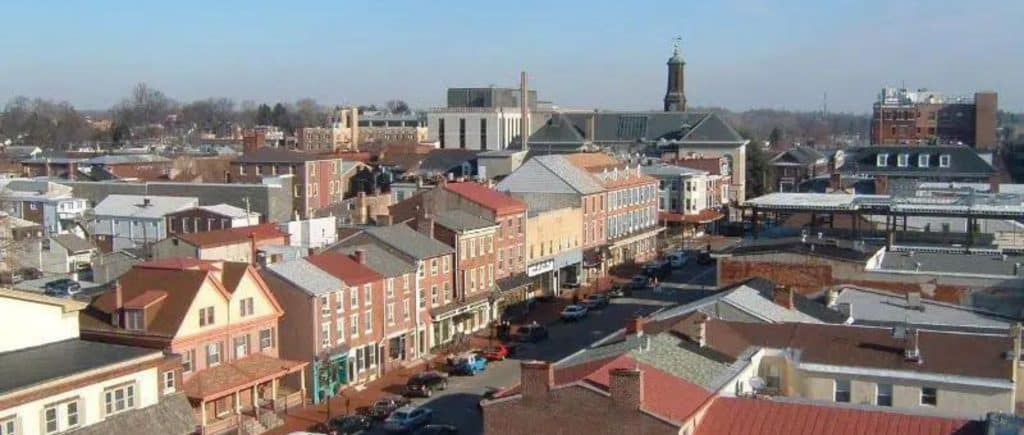
In Southeastern Pennsylvania, New Jersey, New York, and Delaware, buyers regularly encounter homes with complex roof lines, additions, decks, and changing exterior materials. Each transition is a potential water-management detail. The more complicated the architecture, the less wise it is to rely on a visual impression alone.
How to Use the Results Before Closing
Wall-testing results should help you make a decision, not create panic. Some findings may be localized and manageable; others may show patterns that change the economics of the purchase. Context matters: the extent of elevated moisture, the number of affected elevations, the condition of adjacent materials, the source of water entry, and the likelihood of continued deterioration all influence the next step.
If the report documents concerns, provide it to the appropriate parties and preserve your contractual rights. Your real estate attorney and agent can advise on transaction options. Depending on the evidence and the terms of your agreement, you may seek further evaluation, request a credit, adjust the purchase price, or decide not to proceed.
Do not reduce the conversation to a single number pulled from an informal estimate. First establish the condition and scope with objective documentation. A purchase negotiation based on confirmed defects is fundamentally different from one based on vague concern or cosmetic appearance.
Buyers should also ask for available records: prior inspection reports, invoices for exterior work, leak disclosures, photographs of past conditions, and warranties. Records can add context, but they should not replace current testing. A wall’s condition is determined by its present performance, not by a promise that work was once completed.
Questions to Ask Before Hiring a Wall Inspector
Ask whether the inspector specializes in building-envelope conditions rather than treating stucco as one item on a broad checklist. Ask how test locations are selected, whether invasive moisture testing is included when appropriate, and what the final report will document. You should also understand turnaround time, especially when a contingency deadline is close.
Independence matters. An inspection firm that is focused on diagnosis can provide findings without a built-in incentive to sell a particular construction service. For a buyer, that separation supports a clearer conversation with sellers, attorneys, insurers, and future contractors.
Be cautious of anyone who guarantees that a short visual review can certify a stucco or EIFS wall as problem-free. Concealed water intrusion is precisely the condition a visual-only review can miss. The goal is not certainty beyond the limits of the inspection. The goal is an evidence-based assessment strong enough to make a major financial decision with open eyes.
A home purchase is one of the few transactions where a beautiful exterior can hide a costly building-envelope failure. Before you accept that risk, obtain documented answers. Stucco Safe approaches wall testing as a forensic investigation, giving buyers facts they can use while they still have the power to act.