A clean stucco exterior can hide a wet wall assembly. By the time staining, peeling interior paint, musty odors, or visible cracking appears, moisture may have already affected sheathing, framing, insulation, and adjacent materials. Exterior wall due diligence is the process of investigating those risks before a purchase, sale, major capital decision, or dispute forces the issue.
For buyers, this work can prevent a costly surprise after closing. For sellers, it can establish facts before an inspection contingency becomes a negotiation crisis. For commercial owners and property managers, it can turn vague reports of leaks into documented findings that support informed planning. The goal is not to assume every stucco or EIFS wall has failed. The goal is to find out what is actually happening behind the cladding.
Why Exterior Wall Due Diligence Is Different
A standard home inspection has value, but it is usually a broad visual review of accessible conditions. The inspector may identify cracks, damaged sealant, missing flashing, or signs of water staining. Those observations matter, yet they do not necessarily reveal whether moisture has entered the wall or whether concealed components have been affected.
Exterior wall due diligence goes further. It focuses on the building envelope: the exterior wall system that must shed water, manage drainage, control air movement, and protect the structure. Stucco and EIFS assemblies depend on multiple details working together, including flashing, drainage planes, sealant joints, roof and wall transitions, windows, doors, decks, balconies, and penetrations for utilities or fixtures.
A small defect at one transition can direct water behind the cladding over a long period. The visible surface may still look acceptable. That is why a visual-only opinion, especially on a higher-value property, may leave a major unanswered question: Is the wall dry where it cannot be seen?
What Specialized Inspection Can Establish
A proper investigation begins with the wall system itself. Is it traditional stucco, EIFS, a direct-applied finish, or a combination of materials? How old is it? Are there areas with different exposure, such as chimney walls, roof intersections, bump-outs, decks, parapets, or window groupings? Those details shape where moisture is most likely to enter and where testing should be concentrated.
A specialized exterior inspection may include a detailed visual evaluation, moisture scanning, targeted invasive moisture testing, and documentation of observed installation concerns. Invasive testing uses small, strategically placed probes to evaluate moisture conditions behind the cladding. The locations are selected based on building geometry, visible conditions, transitions, and known risk areas, not at random.
The resulting evidence can help distinguish between an isolated maintenance concern and a broader enclosure problem. It may identify elevated moisture, deficient flashing, improper terminations, missing drainage provisions, compromised sealant joints, or conditions consistent with long-term water entry. Findings should be documented clearly enough to support a practical decision, not merely produce a list of surface defects.
That distinction matters during a transaction. A statement that a wall has “some cracking” does not answer whether the issue is cosmetic, whether water has entered, or whether further investigation is warranted. Measured readings, test locations, photographs, and a technically grounded interpretation provide a much stronger basis for action.
When Buyers Should Investigate the Exterior Walls
The most useful time for due diligence is before inspection contingencies expire. Once a buyer waives the right to investigate, the leverage to request additional information or address a material finding changes quickly.
Any home with stucco or EIFS deserves careful consideration, particularly when it has complex architecture. Multiple rooflines, deck connections, decorative bands, stone or brick transitions, large window packages, and additions create more joints and transitions where water-management details must perform correctly. Age alone does not determine risk. A newer house can have significant installation defects, while an older wall may have performed well if it was designed, installed, and maintained properly.
Buyers should be especially cautious when they see recurrent caulking, staining below windows, cracks at corners, deteriorated trim, algae growth in protected areas, leaking reports, or interior odors near exterior walls. None of these signs proves a concealed failure by itself. They are reasons to ask better questions and consider specialized testing.
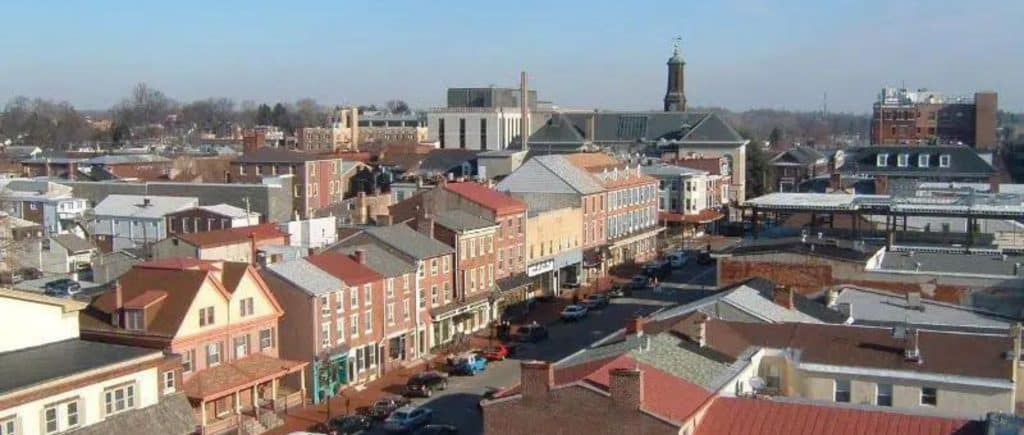
Do not let a rushed market turn uncertainty into an accepted condition. In Philadelphia, the Main Line, Northern New Jersey, and surrounding markets, homes with stucco-clad exteriors can represent substantial investments. The cost of targeted investigation is often modest compared with the financial consequences of discovering hidden moisture after closing.
Due Diligence for Sellers and Property Owners
Sellers sometimes avoid investigation because they fear what it may uncover. That approach can backfire when a buyer’s specialist identifies conditions late in the transaction. Suddenly, the seller has limited time to understand the findings, respond with documentation, or negotiate from a position of knowledge.
A pre-listing exterior wall assessment can provide clarity. If no concerning conditions are identified, the seller has a more informed response to questions about the cladding. If defects or moisture are found, the seller can evaluate next steps before the property is under contract. The appropriate response depends on the extent of the findings, the transaction timeline, local disclosure obligations, and the advice of qualified professionals.
Current owners also benefit outside of a sale. Water intrusion rarely improves when ignored. Early identification can limit the duration of exposure and help an owner prioritize the areas that demand attention first. It is not necessary to test every wall on every building. A building-envelope professional can recommend a scope that reflects the system, observed conditions, access, and purpose of the evaluation.
Common Gaps in Exterior Wall Reviews
The biggest gap is relying solely on appearance. Stucco is designed to be a durable exterior finish, and its surface can remain intact even when water is entering through a transition or detail elsewhere. A lack of visible damage is not proof that the concealed wall is dry.
Another gap is treating moisture meter readings on the exterior finish as a final answer. Surface scanning can be useful for identifying patterns and selecting areas for closer evaluation, but it does not replace testing behind the cladding when that information is needed. Materials, fasteners, lath, framing, and environmental conditions can affect readings. The method must match the question being asked.
A third gap is testing too narrowly. One dry result near a single window does not establish that the entire façade is dry. Conversely, one elevated result should be interpreted in context, with attention to the building’s construction, test location, and possible water pathways. Sound due diligence looks for evidence patterns rather than forcing a conclusion from one data point.
Finally, owners should separate diagnosis from contracting. An independent inspection firm has a different role from a company that performs construction work. When the task is to identify concealed conditions and document the evidence, independence helps protect the credibility of the assessment.
Questions That Produce Better Answers
Before retaining an exterior wall inspector, ask whether the firm specializes in stucco, EIFS, and building-envelope moisture investigation. Ask what testing methods may be used, how test locations are selected, what the written report will include, and whether the inspector can explain the findings in terms a buyer, seller, attorney, insurer, or property manager can use.
For complex properties or active disputes, experience with forensic documentation may be particularly important. The inspection record may need to withstand close scrutiny, not just provide general maintenance advice. Stucco Safe approaches these evaluations as building-envelope investigations, with attention to the locations and details where water commonly bypasses the exterior surface.
Let Evidence Set the Next Step
Exterior wall due diligence is not about creating fear around every crack or every stucco-clad house. It is about refusing to make a major property decision with a critical blind spot. The right scope depends on the property, the wall system, the visible evidence, and the stakes of the decision.
If questions remain about moisture behind the cladding, ask for documented answers before the next deadline passes. A carefully selected inspection can replace assumptions with evidence and give you a clearer path forward.